As an Amazon Associate, we earn from qualifying purchases. Some links on this site are affiliate links at no extra cost to you. Our recommendations are based on thorough research and editorial judgment.

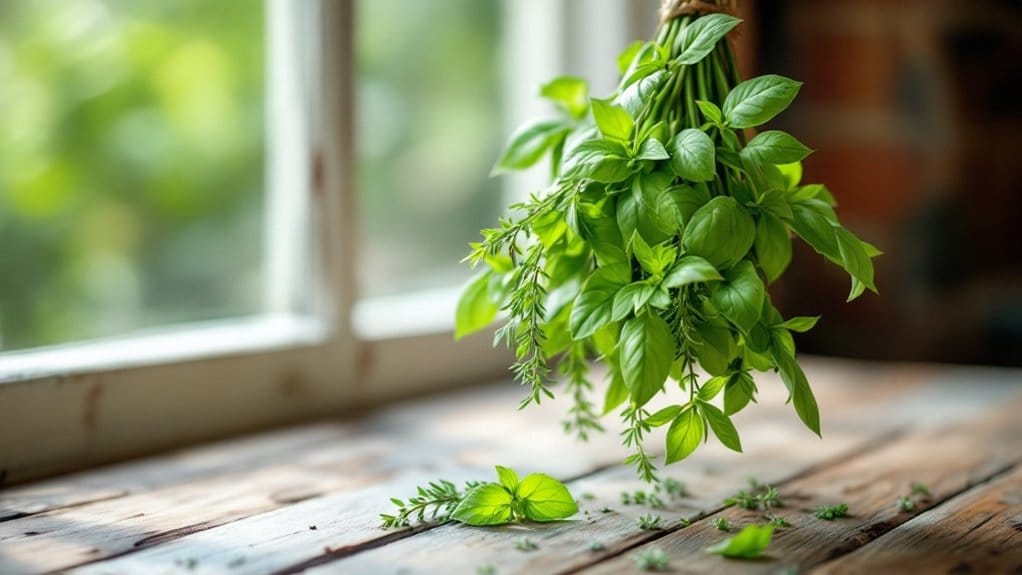
3 Easiest Herbs to Dry Indoors

You can easily dry these three herbs indoors: rosemary, thyme, and oregano!
- Rosemary: Hang sprigs in a dry area for 3 days to 2 weeks, or use a dehydrator at 95°F-105°F.
- Thyme: Tie small bundles and air dry for 1-2 weeks, or pop it in the oven at 170°F for about an hour.
- Oregano: Air dry or use the oven at 200°F, checking every 5-10 minutes until it's dry, usually within an hour!
These herbs don't just flavor your meals; they're fun to dry! Stick around to uncover more fantastic tips!
Key Takeaways
- Thyme: This herb air dries easily; simply tie sprigs and hang them in a warm, dry location for 1-2 weeks.
- Oregano: Air drying oregano is straightforward; hang small bundles upside down in a well-ventilated area for 1-2 weeks.
- Rosemary: Rosemary can be air-dried by tying sprigs together and hanging them in a dry spot until brittle.
- Minimal Equipment: All three herbs can be dried indoors without specialized equipment, making them accessible for home cooks.
- Flavor Retention: Properly dried indoor herbs maintain their flavor and can enhance various dishes for months.
Rosemary
Drying rosemary indoors can be a straightforward process, and you have several effective methods to choose from. Whether you're looking to enhance your cooking tips or create herbal remedies, dried rosemary is a fantastic addition to your pantry!
- Dehydrator Method: Set your dehydrator to 95°F – 105°F (35°C – 40°C). Lay the sprigs in a single layer and check every 15-20 minutes. They're ready when the leaves are brittle and easily separate.
- Oven Method: Preheat your oven to its lowest setting, ideally below 105°F (40°C). Place sprigs on a parchment-lined tray with space in between, checking every 45 minutes. You'll know they're done when the leaves feel dry and brittle.
- Air-Drying Method: Gather sprigs and tie them together. Hang them in a dry, well-ventilated area, away from sunlight. Depending on the humidity, this can take a few days to two weeks. Humidity and air circulation are critical factors that can affect the drying time when using this method.
Once dried, store your rosemary in an airtight container at room temperature. Remember to remove the leaves from the stems before storing. Enjoy the delightful flavors of your homemade rosemary in your next dish! Happy drying!
Recommended Products

Batch Dehydrating Made Simple: Food Dryer with 8 spacious stainless steel trays, you can dry beef strips, pineapple rings, and rosemary simultaneously. This food dehydrator machine handles your entire weekly surplus in one go, delivering jerky, fruit chips, and dried herbs without multiple runs.

Big 8-Tray Load: Fill all eight stainless steel trays with turkey strips, mango slices, or sweet potato rounds. This food dehydrator turns a full farmer’s market haul into homemade jerky, dried fruit, and veggie chips in one session.

Eight Trays, Big Batch: Stack all eight stainless steel trays with beef strips, pineapple rings, or rosemary. This food dehydrator turns a week’s grocery surplus into jerky, fruit chips, and dried herbs—all in one run.
Thyme
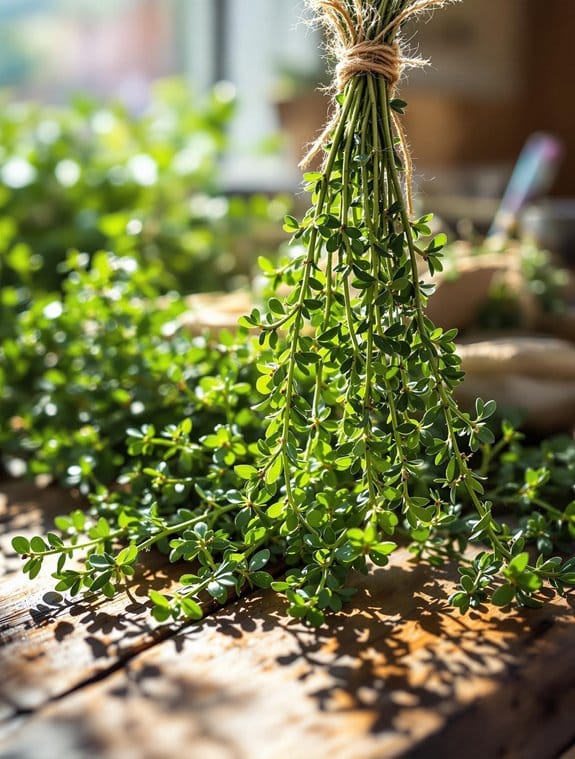
When you're looking to preserve the vibrant flavor of thyme, drying it indoors is a simple yet effective solution. You can use a few methods to dry thyme, each with its own charm! Here's how to get started:
- Air Drying: Tie sprigs with twine and hang them in a warm, dry spot, away from sunlight. It takes about 1-2 weeks for them to dry fully.
- Oven Drying: Spread thyme on a baking sheet and set your oven to the lowest temperature, around 170°F. Leave the door slightly ajar for air circulation, checking every 15 minutes. It should be done in about an hour!
- Dehydrator Drying: Lay thyme on dehydrator trays at 95°F to 105°F for 8-10 hours. You'll know it's ready when it's completely dry and brittle. The dehydrator method is preferred for herbs, as it retains flavor and nutrients.
Before storing, wash the thyme gently and pat it dry. Keep your dried thyme in an airtight container in a cool, dark place. Enjoy all the thyme benefits in your favorite thyme recipes throughout the year! Happy drying!
Recommended Products

✅ INNOVATIVE ROTARY DEHYDRATOR: The trays' rotation guarantees even heat and airflow distribution, enhancing food stability, particularly for commercial users; it allows for more consistent drying of food, eliminating the need to worry about uneven results.Even dries various ingredients while preserving nutrients without loss
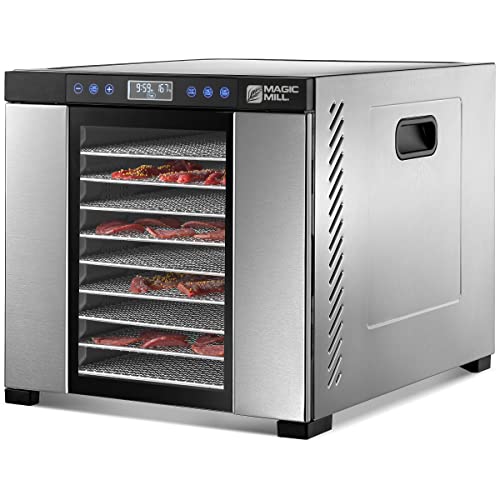
NOW WITH 11 TRAYS - Formally with 10 Trays - This Magic Mill Dehydrator Has Been Upgraded to 11 Trays to Add 30 inches of Extra Drying Space, While Keeping the Same Modern Slim Look

Dehydrator & Yogurt Maker – From Orchard to Snack in Hours: Picture this: ripe strawberries and crisp kale leaves, transformed into naturally sweet chips your kids can't stop reaching for—with zero added sugar, no preservatives, just pure fruit and veggies. When cravings hit, whip up a batch of beef jerky seasoned exactly how you like it, chewy or crispy at the touch of a button. And on lazy mornings, wake up to thick, creamy homemade yogurt, ready to top with fresh berries. One machine, endless possibilities.
Oregano
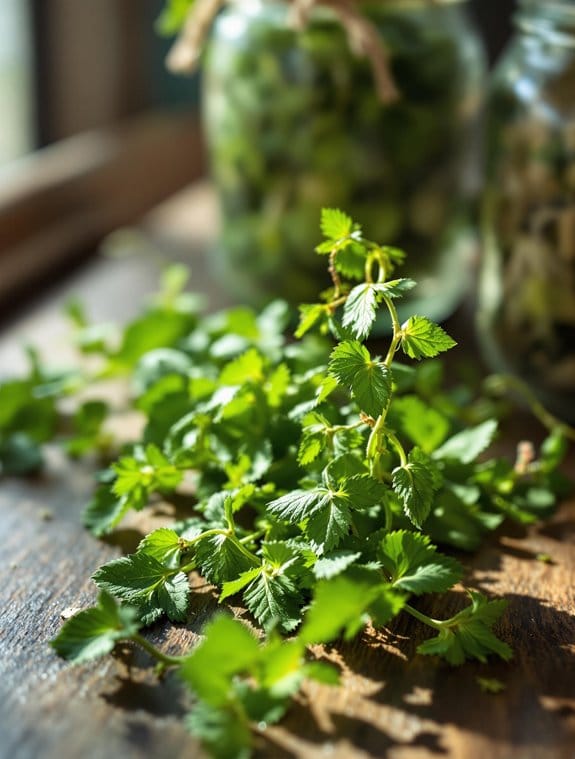
Preserving the robust flavor of oregano can really elevate your culinary creations, and drying it indoors is a breeze. This herb isn't just tasty; it also boasts several oregano benefits, including antioxidant properties and digestive support. With just a little effort, you can have a stash ready for your favorite oregano recipes! Drying oregano in the oven is especially efficient, as it can be done in as little as 15 minutes.
Here are three easy methods to dry oregano:
- Oven Drying:
- Preheat your oven to 200°F.
- Spread washed and dried oregano on a baking sheet.
- Check every 5-10 minutes, and in about 15 minutes to an hour, it'll be ready!
- Tie small bundles of oregano and hang them upside down in a warm, ventilated area.
- This can take 1-2 weeks, but hey, no rush!
- Set your dehydrator to 95°F and lay the sprigs in a single layer.
- They should be dry in 8-10 hours.
Once dry, store your oregano in an airtight container for freshness. Enjoy your homemade seasoning and let your meals shine!
Recommended Products

Large drying area capacity & Handmade in the USA

The information below is per-pack only

Drying: Practical food drying net - For herbs, flowers, fruits, vegetables and nuts
Frequently Asked Questions
How Long Does It Take to Dry Herbs Indoors?
When drying herbs indoors, it typically takes 7 to 10 days with air drying methods or 1 to 4 hours using a dehydrator. Proper herb storage guarantees your dried herbs maintain flavor and potency.
Can I Mix Different Herbs While Drying?
Mixing herbs while drying's like baking with mismatched ingredients; it can ruin the dish. Stick to herb drying techniques that guarantee ideal drying conditions, drying similar moisture-content herbs together to prevent mold and uneven results.
What Are the Signs That Herbs Are Fully Dried?
To know herbs are fully dried, check for brittle stems and crunchy leaves. Use proper drying techniques and confirm no moisture remains. Store them in airtight containers to maintain flavor and freshness for future use.
Is It Safe to Dry Herbs in the Kitchen?
Yes, it's safe to dry herbs in your kitchen, provided you guarantee good ventilation and avoid humidity. Proper herb storage in airtight containers afterward preserves their flavor, making your culinary creations even more delightful.
Can I Reuse Dried Herbs After They Expire?
You can reuse dried herbs after they expire, but check for herb expiration signs like discoloration or mold. Proper dried herb storage in airtight containers helps maintain potency, although flavor may diminish over time.