As an Amazon Associate, we earn from qualifying purchases. Some links on this site are affiliate links at no extra cost to you. Our recommendations are based on thorough research and editorial judgment.


7 Best Salad Recipe Books That Will Actually Make You Love Greens

Looking to transform boring greens into crave-worthy meals? You’ll find endless inspiration in these top salad cookbooks. “The Complete Salad Cookbook” leads with 200+ vibrant recipes, while “Seriously Good Salads” delivers restaurant-quality creations you can make at home. For Instagram-worthy dishes, grab “Mandy’s Gourmet Salads,” or explore “The Salad Lab” for modern twists on classics. “Bowls” and “Salad Freak” offer customizable options perfect for meal prep, while “Dressings” provides 200+ ways to elevate your greens. Each book caters to different dietary needs and skill levels, with plenty more tasty secrets waiting to be discovered.
Key Takeaways
- The Complete Salad Cookbook offers 200+ diverse recipes for all skill levels, making salads exciting and accessible for beginners.
- Mandy’s Gourmet Salads features elegant presentations and engaging stories that transform ordinary salads into restaurant-quality dishes.
- Recipe adaptability across cookbooks allows for easy ingredient substitutions, making salad-making convenient and flexible for home cooks.
- Modern salad cookbooks include detailed dressing recipes with precise measurements, ensuring perfect flavor combinations every time.
- Visual appeal through beautiful photography and step-by-step instructions helps motivate readers to create attractive, appetizing salads.
[content-egg-block template=offers_list hide=price,shop_info]
The Complete Salad Cookbook: A Fresh Guide to 200+ Vibrant Dishes


The Complete Salad Cookbook stands out as a thorough guide for both novice and experienced cooks, offering over 200 diverse recipes that’ll transform your salad game. You’ll find everything from simple seven-ingredient peach Caprese salads to more adventurous creations. The vibrant photography and creative layout will inspire you to think beyond basic lettuce and tomatoes. Plus, you’ll love how the cookbook breaks down the testing process behind each recipe.
What makes this cookbook truly special is how it balances accessibility with innovation. While some recipes might send you hunting for specialty ingredients like harissa or purslane, many dishes use everyday items you’ll find at your local grocery store. You’ll appreciate the detailed explanations of how flavors work together, making it easy to understand why certain combinations sing. Whether you’re a salad enthusiast or just trying to break free from boring lunch routines, this delightful guide will help you create Instagram-worthy dishes that taste as good as they look.
Best For: Home cooks and food enthusiasts looking to expand their salad-making repertoire with creative, visually appealing recipes ranging from simple to sophisticated combinations.
Pros:
- Comprehensive collection of over 200 vibrant salad recipes with detailed testing insights and explanations
- Beautiful photography and layout that serves both as a practical cookbook and coffee table inspiration
- Mix of simple and complex recipes catering to different skill levels and time constraints
Cons:
- Some recipes require specialty ingredients that may be hard to find in standard grocery stores
- More complex recipes might be intimidating for complete beginners
- Higher-end ingredients and fresh herbs needed for many recipes could increase grocery costs
Seriously Good Salads Cookbook
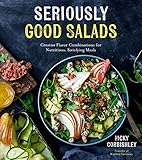
Salad enthusiasts seeking restaurant-quality recipes will find their perfect match in “Seriously Good Salads Cookbook.” This all-encompassing guide offers diverse recipes spanning vegetarian, meat, seafood, and grain-based options, though you’ll need to plan ahead for specialty ingredients like Korean gochujang paste and Japanese mirin. The recipes transform ordinary salads into extraordinary meals that’ll make your taste buds dance. You’ll love how each creation balances healthiness with incredible flavors.
The cookbook’s user-friendly design is a dream for home chefs. Its lay-flat binding means no more wrestling with pages while mixing dressings, and the gorgeous photos will inspire your culinary creativity. The coated pages handle spills like a champ, while clear instructions keep you on track. While some recipes require more prep time than quick side dishes, they’re perfect for meal planning – you’ll find that making two stunning salads weekly can be more efficient than traditional cooking. Plus, the results are absolutely worth the extra effort!
Best For: Home cooks and salad enthusiasts who want to create restaurant-quality salads and are willing to invest time in meal preparation and sourcing specialty ingredients.
Pros:
- Beautiful layout with lay-flat binding, clear instructions, and inspiring photos of each recipe
- Diverse range of creative recipes that transform ordinary salads into exciting, nutritious meals
- Recipes successfully balance healthiness with exceptional taste and interesting flavor combinations
Cons:
- Requires specialty ingredients that may not be readily available in standard grocery stores
- Many recipes are time-consuming and better suited for meal prep than quick side dishes
- Recipe portions are designed for larger families, requiring adjustment for smaller households
Mandys Gourmet Salads: Recipes for Lettuce and Life

Featuring beautifully photographed recipes and an elegant linen cover, Mandy’s Gourmet Salads will appeal to health-conscious foodies who want to elevate their salad game. You’ll find the book easy to navigate, with recipes organized by name in the contents and ingredients listed alphabetically in the index. Popular choices like the Shanghai Salad and R&D Extraordinaire will help you expand your veggie horizons. The engaging stories behind each recipe make this more than just a cookbook – it’s a delightful journey through lettuce and life.
While some recipes require advance prep work (like the Endless Summer Salad’s marinated tofu), you’ll find most dishes adaptable to your schedule and pantry. The separate dressing chapter might take getting used to, but it keeps the recipes clutter-free and organized. If you’re ready to transform your salad routine from boring to brilliant, this cookbook delivers with fresh, creative combinations that you’ll make again and again.
Best For: Home cooks and food enthusiasts who want to elevate their salad-making skills and incorporate more creative, healthy meals into their routine.
Pros:
- Beautiful presentation with high-quality photos and elegant linen cover
- Well-organized content with clear recipe navigation and comprehensive index
- Diverse selection of creative salad recipes with engaging backstories
Cons:
- Some recipes require advance preparation and planning
- Separate dressing chapter may be inconvenient for some users
- Certain ingredients may be challenging to source
The Salad Lab: Recipes for Making Fabulous Salads

Perfect for both novice and experienced cooks, “The Salad Lab: Whisk, Toss, Enjoy!” delivers over 70 vibrant, photo-rich recipes that’ll transform your salad game. You’ll find delightful creations like the Arizona Sunset salad and Windy City Chopped salad that are sure to impress your dinner guests. The recipes are wonderfully adaptable, letting you swap ingredients based on what’s in your fridge or your personal taste preferences. Plus, the author’s TikTok fame brings a fresh, modern approach to classic salad making.
While you won’t find detailed nutritional information, you’ll discover everything else you need to create restaurant-worthy salads at home. The easy-to-follow instructions and engaging stories from author Darlene make this cookbook a joy to use. Whether you’re tossing together a quick lunch or preparing a dinner party showstopper, this book will guide you through every crisp, crunchy step.
Best For: Home cooks of all skill levels looking to expand their salad-making repertoire with creative, restaurant-style recipes and customizable options.
Pros:
- Extensive collection of 70+ recipes with beautiful photography and clear instructions
- Highly adaptable recipes that allow for easy ingredient substitutions and customization
- Engaging writing style with helpful anecdotes and practical tips from a social media-savvy author
Cons:
- Lacks nutritional information and calorie counts for recipes
- Missing convenient grocery shopping lists for each recipe
- Some recipes may require specialty ingredients not commonly found in basic pantries
Bowls: Vibrant Recipes with Endless Possibilities

Working parents and busy professionals will find their ideal meal-planning companion in “Bowls: Vibrant Recipes with Endless Possibilities.” This versatile cookbook streamlines healthy eating with its efficient approach to balanced meals, combining whole grains, lean proteins, and fresh vegetables into simple, customizable recipes. You’ll love how each recipe fits on a single page, making it incredibly easy to follow along during your busy weeknight cooking sessions.
The magic of this cookbook lies in its brilliant meal prep strategy. You can spend just a couple of hours on Sunday prepping ingredients, then enjoy quick 15-30 minute assembly times throughout the week. The recipes are wonderfully adaptable – whether you’re gluten-free, dairy-free, or meat-free, you’ll find options that work for you. Plus, with the helpful nutritional index and conversion tables, you won’t have to guess about portions or measurements. It’s like having a personal chef guiding you through creating beautiful, Instagram-worthy bowls that’ll make your family think you’ve attended culinary school!
Best For: Busy professionals and working parents seeking efficient, healthy meal planning solutions with customizable recipes that accommodate various dietary preferences.
Pros:
- Excellent meal prep strategy that saves time with batch cooking and quick assembly
- Highly adaptable recipes that work for multiple dietary restrictions (gluten-free, dairy-free, vegetarian)
- Well-organized layout with single-page recipes and comprehensive nutritional information index
Cons:
- Some users report issues with the book’s binding quality
- Certain ingredients may be difficult to find in standard grocery stores
- Primarily uses US measurements, though conversion tables are provided
Salad Freak: Recipes to Feed a Healthy Obsession

Home cooks looking to transform mundane salads into creative culinary experiences will find their match in “Salad Freak: Recipes to Feed a Healthy Obsession.” This innovative cookbook breaks free from traditional leafy green limitations, offering diverse recipes from crispy chicken with gingery cabbage to miso mushroom combinations. While some ingredients might be challenging to source, you’ll discover plenty of easy substitutions that won’t compromise flavor. The cookbook’s stunning photography will inspire you to create Instagram-worthy dishes that taste as amazing as they look.
You’ll love how this book teaches you to make delightful homemade dressings, saying goodbye to store-bought versions forever. The recipes range from simple preparations using pantry staples to more adventurous combinations that’ll make you rethink what a salad can be. Though some ingredients might stretch your grocery budget, the techniques you’ll learn – like perfectly shredding Brussels sprouts in your food processor – make this cookbook a worthwhile investment. Whether you’re a salad enthusiast or just starting your healthy eating journey, you’ll find yourself reaching for this book time and time again.
Best For: Home cooks who want to elevate their salad game with creative recipes and are willing to experiment with new ingredients and techniques while prioritizing fresh, healthy meals.
Pros:
- Offers innovative and diverse salad recipes that go beyond traditional greens, with excellent photography for inspiration
- Includes detailed instructions for making homemade dressings and helpful techniques for ingredient preparation
- Recipes are generally easy to follow and produce consistently good results that appeal to both casual and experienced cooks
Cons:
- Some ingredients may be difficult to find and potentially expensive, especially in non-urban areas
- Several recipes feature “chonky” ingredients that might need modification for practical eating
- More conceptual approach to recipes may frustrate cooks who prefer exact measurements and strict adherence to ingredients
Dressings: 200+ Recipes for Salads, Marinades, Sauces, and Dips

Cooking enthusiasts looking for an extensive dressing guide will find their match in “Dressings: Over 200 Recipes.” This well-organized cookbook delivers more than 200 recipes for marinades, sauces, and dips, complete with vibrant photos and clear instructions. You’ll love the flexibility to mix and match flavors to suit your taste buds. The book’s fantastic value makes it a worthy addition to any kitchen collection.
While you’ll find perfect ratios and delicious combinations throughout, there’s one small catch – it doesn’t include complete salad recipes to pair with the dressings. But don’t let that stop you! The beautiful color photos for each recipe will inspire you to create your own perfect salad combinations. It’s also a delightful gift option for the food lovers in your life, whether they’re seasoned chefs or just starting their cooking journey.
Best For: Home cooks and food enthusiasts seeking to expand their repertoire of homemade dressings, marinades, and sauces with reliable, flexible recipes.
Pros:
- Comprehensive collection of over 200 recipes with accurate ratios and clear instructions
- Beautiful color photographs for every recipe make it visually appealing and easy to follow
- Excellent value for money with flexible recipes that can be customized to taste
Cons:
- Lacks suggested salad combinations or complete salad recipes to pair with dressings
- Some background page colors make text difficult to read
- Limited focus on dressings only, without broader meal planning context
Factors to Consider When Choosing a Salad Recipe Book

When you’re ready to pick out your next salad recipe book, you’ll want to look at several key factors that can make or break your cooking experience. You’ll need to contemplate practical elements like recipe complexity, ingredient availability in your area, and whether the book matches your dietary needs, while also checking if it includes helpful photos and clear instructions. The book’s organization and layout are equally important since they’ll determine how easily you can find recipes and plan your meals.
Recipe Complexity and Time
Understanding recipe complexity and time requirements is essential when selecting a salad cookbook. You’ll find that some books feature quick, 10-minute recipes perfect for busy weeknights, while others showcase elaborate creations that might take an hour to prepare. When you’re racing against the clock to get dinner ready, you’ll want a cookbook that matches your schedule and cooking expertise. It’s helpful to look for books that clearly mark prep times and difficulty levels at the start of each recipe.
Recipe Complexity Breakdown:
- Beginner-friendly books: Simple recipes with 5-7 ingredients and basic techniques
- Intermediate collections: Mix of quick dishes and more involved recipes
- Advanced compilations: Complex flavor combinations and specialized preparation methods
You’ll love that many modern salad cookbooks offer both simple and complex options in one collection. If you’re new to cooking, start with books that focus on straightforward recipes and meal prep strategies. For those magical dinner party moments, you can gradually work your way up to the fancy recipes that’ll make your guests say “wow!” Remember, the best cookbook is one that you’ll actually use, so choose one that fits your lifestyle and cooking confidence level.
Ingredient Availability
Along with recipe complexity, the availability of ingredients plays a major role in how useful a salad cookbook will be for you. While fancy cookbooks might tempt you with exotic ingredients like gochujang paste or rare fresh herbs, you’ll want to make sure you can actually find these items in your local stores. The best salad cookbooks offer smart substitutions that let you work with what’s available while still creating amazing flavors. It’s worth checking if the recipes align with what you can easily source at your regular grocery store.
What to Look For:
- Cookbooks that list common ingredient alternatives
- Recipes featuring seasonal produce you can find locally
- Simple dressing recipes using pantry staples
- Books that include shopping guides and storage tips
You’ll get the most value from cookbooks that match your shopping resources. If you’ve got access to farmers’ markets or specialty stores, you might enjoy more adventurous recipes. But if you’re working with a basic grocery store, look for books that focus on accessible ingredients. Remember, the perfect salad cookbook shouldn’t send you on a wild goose chase for hard-to-find items!
Dietary Requirements Coverage
Today’s diverse dietary landscape makes it essential to choose a salad cookbook that accommodates various eating preferences and restrictions. You’ll want to find a book that offers plenty of options for vegetarians, vegans, and those following gluten-free or dairy-free diets. The best salad cookbooks include clear labels for each recipe’s dietary specifications, making it a breeze to find dishes that match your needs. Look for books that offer helpful substitution guides, so you can easily swap ingredients without compromising taste or texture.
Making Smart Dietary Choices
- Check for detailed nutritional information per serving
- Look for whole-grain options and lean protein additions
- Seek out recipes with adaptable ingredients
- Consider meal prep capabilities for your lifestyle
The most valuable salad cookbooks go beyond basic recipes by including meal planning strategies that work for different dietary needs. You’ll find it’s especially helpful when a cookbook provides tips for batch cooking and storing ingredients properly. These features make it much easier to maintain your dietary requirements while enjoying delicious, creative salads. Remember, the right cookbook should feel like your dietary best friend, not a restrictive rulebook!
Visual Recipe Guidance
A cookbook’s visual presentation serves as your roadmap to creating stunning salads that look as good as they taste. When you’re flipping through the pages, high-quality photographs of each recipe will show you exactly what you’re aiming for. You’ll feel more confident knowing what your finished dish should look like, and you’re more likely to try new recipes when you can see the delightful results ahead of time.
Look for these visual features in your next salad cookbook:
- Step-by-step photos that break down tricky techniques
- Clear, organized layout with easy-to-read instructions
- Helpful substitution charts with picture guides
- Plating and presentation tips with visual examples
The best salad cookbooks don’t just tell you what to do – they show you! You’ll want a book that includes vibrant photos of ingredient prep, assembly steps, and finished presentations. Having visual markers for each stage of the recipe helps you stay on track and guarantees your holiday party salad looks just as amazing as the one in the book. When recipes include helpful visual cues, you’re more likely to experiment and develop your own creative salad-making skills.
Book Layout and Organization
Every well-designed salad cookbook needs thoughtful organization that makes recipes easy to find and follow. You’ll want to look for books with clear tables of contents and detailed indexes that help you quickly locate recipes by ingredient or name. Having these navigation tools means you won’t waste precious time flipping through pages when you’re craving that perfect summer strawberry salad. It’s like having a roadmap to delightful eating!
The physical layout of your cookbook matters just as much as its organization. You’ll love cookbooks that lay flat on your counter – no more wrestling with pages that flip closed while you’re tossing your greens! Look for books that provide prep times, cooking times, and serving sizes right at the top of each recipe. These details are especially helpful when you’re planning holiday feasts or weekly meal prep.
Key Features to Look For:
- Consistent recipe formatting throughout the book
- Bright, inspiring photos of finished dishes
- Separate sections for dressings and toppings
- Easy-to-read ingredient lists
- Clear step-by-step instructions that keep you on track
Recipe Variety Range
When choosing a salad cookbook, recipe variety stands as one of the most essential factors in making a smart selection. You’ll want a book that offers everything from light summer salads to hearty winter grain bowls. The best cookbooks include options for every dietary preference, whether you’re a devoted vegetarian or a seafood enthusiast. Your perfect salad companion should feature recipes that work for quick Tuesday lunches and fancy dinner party showstoppers.
Look for these variety markers in your cookbook selection:
- A mix of simple 5-ingredient recipes and more complex creations
- Both classic favorites and innovative combinations
- Options for different seasons and available produce
- Varied protein choices (plant-based, meat, and seafood)
- Grain-based salads and fruit-focused options
The cookbook should also help you experiment with new ingredients while teaching you valuable pairing principles. You’ll discover magical combinations like peppery arugula with sweet pears, or zesty citrus with delicate seafood. The best part? When you find a book with true variety, you’ll never hear “Oh, just another salad” from your dinner guests again!
Dressing Recipe Options
Dressing recipes serve as the cornerstone of any thorough salad cookbook. You’ll want to make sure your chosen book includes clear, detailed instructions for creating a variety of dressings that’ll make your greens sing. The best cookbooks offer precise measurements and ratios, so you’re not left guessing whether to add a splash or a cup of olive oil. These recipes should be easy to follow and adjust, letting you tweak the flavors to match your taste buds’ preferences.
Visual Elements and Flexibility
Look for books that show you what your dressing should look like with bright, colorful photos. You’ll find it’s much easier to nail the perfect consistency when you can see the end result. Here’s what makes a great dressing section:
- Step-by-step mixing instructions
- Photos of finished dressings
- Mix-and-match suggestions
- Tips for customizing flavors
Watch out for cookbooks that don’t connect their dressings to specific salad recipes. You’ll get the most value from a book that shows you which dressings pair perfectly with which salads, creating foolproof combinations every time. This guidance helps you build confidence in creating your own magical salad masterpieces.
Seasonal Ingredient Considerations
Beyond mastering dressings, a solid salad recipe book should help you navigate the natural rhythm of produce throughout the year. When you’re choosing your next salad cookbook, look for one that’s organized by seasons – it’ll make your life so much easier! You’ll learn which ingredients are at their peak during different months, helping you create the most flavorful combinations possible. Plus, you’ll save money by shopping for fruits and vegetables when they’re naturally abundant.
Why Seasonal Cookbooks Rock:
- They’ll guide you toward the freshest, most nutrient-packed ingredients
- You’ll discover exciting new combinations that change with the seasons
- Your grocery bills will shrink when you buy what’s locally available
- You’ll reduce your carbon footprint by avoiding out-of-season imports
Think about it – strawberries taste magical in summer salads, while roasted butternut squash adds the perfect autumn touch. The best seasonal cookbooks will teach you how to adapt recipes when certain ingredients aren’t available, making you a more flexible and creative cook. You’ll also learn fantastic tricks for storing and preparing seasonal produce, so nothing goes to waste.
Frequently Asked Questions
Can Salad Recipe Books Help With Specific Dietary Restrictions or Allergies?
Yes, many salad recipe books are fantastic resources for managing dietary restrictions and allergies! You’ll find specialized chapters or entire cookbooks dedicated to gluten-free, nut-free, dairy-free, or vegan options. They’ll help you identify safe ingredients and suggest smart substitutions. Plus, you’ll learn how to create delicious alternatives – like using seeds instead of nuts or dairy-free dressings. Many modern recipe books even include helpful allergy alerts and cross-contamination prevention tips.
How Long Do Homemade Salad Dressings Typically Last in the Refrigerator?
Your homemade salad dressings will stay fresh in the refrigerator for different lengths depending on their ingredients. Here’s a quick guide:
- Vinaigrette-based dressings (oil and vinegar): 2-3 weeks
- Dairy-based dressings (ranch, blue cheese): 5-7 days
- Citrus-based dressings: 1 week
You’ll know it’s time to toss your dressing if you notice any odd smells, separation that won’t remix, or changes in color. For best results, store your dressings in airtight containers and give them a good shake before each use!
What Basic Kitchen Tools Are Essential for Preparing Salads?
Did you know that professional chefs spend 80% less time prepping salads when using the right tools? Here’s your essential salad-making toolkit:
- A sharp chef’s knife and cutting board – they’re your dynamic duo
- Salad spinner to get those greens crispy-dry
- Large mixing bowls for tossing
- Colander for washing produce
- Vegetable peeler and grater
- Measuring cups and spoons
You’ll also want to grab some serving tongs – they’re much more elegant than those two-fork juggling acts we’ve all attempted!
Are Measurement Conversions Included for International Readers?
You’ll be happy to know that most modern salad recipe books include handy measurement conversions! You’ll typically find conversion charts for:
- Cups to milliliters
- Ounces to grams
- Fahrenheit to Celsius
- Tablespoons to milliliters
Some books even feature dual measurements right next to each recipe, so you won’t need to do any math. If your cookbook doesn’t include conversions, you can easily find reliable conversion charts online or use a cooking app on your phone.
Can Salad Recipes Be Prepared in Advance for Meal Prep?
Like a well-organized kitchen drawer, meal prepped salads can keep your week running smoothly! You’ll love how most salad ingredients can be prepared 3-4 days ahead. Here’s the key: store your ingredients separately in airtight containers. You can wash and chop hardy vegetables, cook proteins, and mix dressings in advance. Just keep delicate greens whole until serving day, and add wet ingredients like tomatoes and cucumbers last to maintain maximum freshness.