As an Amazon Associate, we earn from qualifying purchases. Some links on this site are affiliate links at no extra cost to you. Our recommendations are based on thorough research and editorial judgment.

3 Best Brussels Sprouts Recipes That Will Make You Love This Veggie

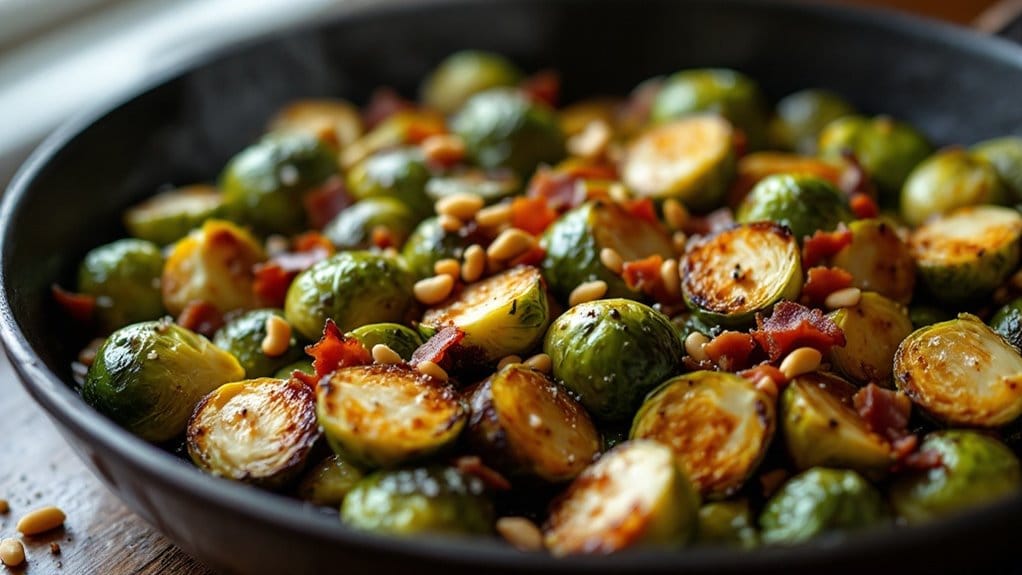
Transform your Brussels sprouts from boring to brilliant with these three game-changing recipes. First, try roasting them at 400°F with garlic, balsamic vinegar, and honey for sweet-and-savory caramelized edges. Next, sauté halved sprouts with crispy bacon and finish with a sprinkle of smoked paprika for a smoky, indulgent side dish. Finally, create a crowd-pleasing grilled version by tossing sprouts in olive oil, lemon zest, and black pepper before charring them to perfection. Each method brings out the natural sweetness of these mini cabbages while eliminating any bitter notes. Let’s explore how these magical little veggies can become your new favorite holiday side dish.
Key Takeaways
- Roasting Brussels sprouts at 400°F with olive oil, garlic, and balsamic vinegar creates crispy, caramelized edges and sweet flavors.
- Sautéed Brussels sprouts with bacon and honey offer a perfect balance of salty, sweet, and savory tastes.
- Air-fried Brussels sprouts achieve a crispy exterior while maintaining tenderness, requiring minimal oil for a healthier preparation.
- Fresh sprouts trimmed and seasoned with simple ingredients like lemon zest and black pepper highlight their natural sweetness.
- Grilled Brussels sprouts with smoked paprika deliver a smoky flavor profile that converts skeptics into enthusiasts.
[content-egg-block template=offers_list hide=price,shop_info]
The Brussels Sprout Cookbook: Over 60 Delicious Recipes to Sprout About


For Brussels sprout enthusiasts seeking culinary inspiration, The Brussels Sprout Cookbook delivers over 60 creative recipes that transform this humble vegetable into surprising dishes. You’ll discover delightful ways to prepare sprouts that go far beyond basic roasting or steaming. The cookbook’s beautiful photography will get you excited about trying new sprout-based creations in your kitchen. It’s perfect if you’re looking to expand your vegetable cooking repertoire.
This cookbook makes an excellent gift for the sprout lovers in your life, as proven by its success as a Christmas and Secret Santa present. The recipes are both approachable and innovative, making it a hit with home cooks who want to explore this versatile veggie. While the book itself is wonderful, you might want to be careful about the stubborn price sticker if you’re planning to give it as a gift. The gorgeous photos and exciting recipe collection make it worth adding to your cookbook shelf or gifting to fellow sprout enthusiasts.
Best For: Brussels sprout enthusiasts and home cooks looking to expand their vegetable recipe repertoire with creative and surprising ways to prepare this versatile vegetable.
Pros:
- Contains over 60 innovative and approachable recipes that go beyond basic preparation methods
- Beautiful photography that makes the recipes appealing and inspiring
- Makes an excellent and well-received gift, particularly for sprout lovers
Cons:
- Price sticker is difficult to remove and can damage the presentation when giving as a gift
- Limited appeal for those who aren’t already fans of Brussels sprouts
- Content may be too specialized for cooks seeking general vegetable recipes
Brussel Sprouts Cookbook with Delicious Recipes

Home cooks seeking to expand their Brussels sprouts repertoire will find this cookbook a mixed bag of simple and creative recipes. While the ebook format is easy to navigate, you’ll notice some inconsistencies in spelling and grammar throughout the pages. The recipes range from basic preparations, like lemon-pepper sprouts, to more adventurous variations that’ll make your taste buds dance. Though there’s only one color photo on the cover, don’t let that stop you from experimenting with these veggie-forward dishes.
What’s interesting about this collection is how it takes one basic cooking method and creates multiple variations. You’ll discover how simple ingredient swaps, like using lime instead of lemon in the Picnic Brussels Sprouts, can transform your dish. While some recipes might seem repetitive, they provide a good foundation for you to get creative with your own seasonings and herbs. Keep in mind that a few recipes call for specialty ingredients, so you might want to plan your shopping list ahead of time.
Best For: Home cooks who want a basic introduction to cooking Brussels sprouts and don’t mind simple, repetitive recipes in a no-frills digital format.
Pros:
- Easy-to-navigate ebook format makes recipes accessible
- Provides multiple variations on basic cooking methods for experimentation
- Good foundation for learning to cook Brussels sprouts with different seasonings
Cons:
- Poor quality writing with grammar issues and inconsistent spelling
- Lack of recipe photos and mismatched images
- Many recipes are overly similar with only minor variations
365 by Whole Foods Market Halved Brussels Sprouts, 12 oz

365 Halved Brussels Sprouts, 12oz
- Selected and stored fresh
- Sourced with high quality standards
- Recommended to wash before consuming
Looking for a time-saving option for your Brussels sprouts recipes? The 365 by Whole Foods Market Halved Brussels Sprouts might seem like a convenient choice, but you’ll want to know what you’re getting into. These pre-cut 12 oz packages are sourced with high-quality standards and come ready to cook, which sounds promising for busy cooks. However, recent feedback suggests you might need to do some extra prep work.
Product Tips:
- Always wash thoroughly before using
- Check freshness upon arrival
- Remove any tough outer leaves
- Add broth or water when air frying to prevent drying
While these halved sprouts could save you cutting time, you might face some quality challenges. Several users have reported freshness issues and tough textures, so you’ll want to inspect your package carefully. For the best results, consider moistening them during cooking to maintain tenderness. If you’re planning a special holiday meal, you might want to stick with whole, fresh Brussels sprouts instead.
Best For: Home cooks who prioritize convenience and are willing to do some quality checking, but may not be ideal for special occasions or those seeking premium Brussels sprouts.
Pros:
- Pre-cut halves save initial preparation time
- Convenient 12 oz portion size for meal planning
- Works well in various cooking methods including air frying
Cons:
- Reported freshness and quality inconsistencies
- May require additional trimming and cleaning before use
- Higher risk of spoilage compared to whole Brussels sprouts
Factors to Consider When Choosing a Brussels Sprouts Recipe
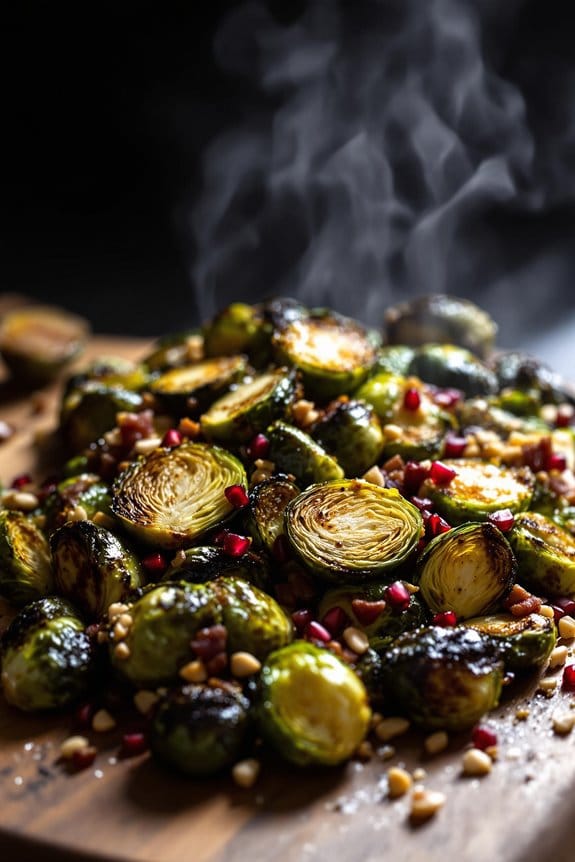
When you’re getting ready to cook Brussels sprouts, you’ll want to take into account a few key factors that’ll make your dish successful. The type of seasonings you choose and whether you’re using fresh or prepared ingredients will greatly impact your final results, along with your selected cooking method – from roasting to sautéing to steaming. Your available kitchen equipment and comfort level with recipe complexity should guide your choice, ensuring you’ll create a dish that’s both enjoyable to make and delicious to eat.
Seasonings and Flavor Combinations
The perfect combination of seasonings can transform ordinary Brussels sprouts into a mouthwatering dish that even skeptics will enjoy. You’ll love how simple herbs and spices can bring out the natural sweetness of these little green gems. A classic blend of minced garlic, fresh lemon zest, and cracked black pepper creates a foolproof flavor profile that’ll make your taste buds dance. For best results, don’t be shy with your seasonings – these sturdy veggies can handle bold flavors!
Try These Winning Combinations:
- Drizzle with balsamic vinegar and a touch of honey for a sweet-and-tangy twist
- Sprinkle with smoked paprika and chili flakes for a spicy kick
- Top with crispy bacon bits and freshly grated parmesan for ultimate savory satisfaction
Ready to get creative? You can mix and match these combinations to create your perfect Brussels sprouts dish. Start with one seasoning blend and gradually experiment with others until you find your favorite. Remember, these versatile veggies are like little flavor sponges – they’ll soak up whatever delicious seasonings you choose to pair them with. You might just discover your new favorite holiday side dish!
Fresh Vs Prepared Ingredients
Making the choice between fresh and prepared Brussels sprouts can considerably impact your final dish’s outcome. While those pre-cut or frozen options might save you precious minutes in the kitchen, they often trade convenience for that farm-fresh flavor you’re craving. You’ll notice the biggest difference in texture and taste when you start with whole, fresh sprouts. Plus, you’ll have more control over the final result when you prep them yourself.
Why Fresh Is Often Best:
- You’ll get that satisfying snap when you bite into properly cooked fresh sprouts
- Each sprout can be inspected for quality before cooking
- You can trim and cut them to your preferred size
- Fresh sprouts hold up better during roasting or sautéing
When to Evaluate Prepared Options:
- You’re in a holiday time crunch
- You’re cooking for a large crowd
- You need a quick weeknight veggie side
- Storage space is limited
If you’re going with fresh sprouts, don’t forget to wash them thoroughly and trim those stems! For prepared options, you’ll want to add extra seasonings to boost their flavor and adjust cooking times accordingly.
Cooking Method Selection
Selecting the right cooking method for Brussels sprouts can transform these tiny cabbages from potentially bitter opponents to crowd-pleasing favorites. You’ll find that your cooking technique choice makes all the difference in texture, flavor, and nutritional value. If you’re aiming for those crispy, caramelized edges that’ll make your holiday table shine, roasting at 400°F is your best friend. When you’re short on time but still want that delightful char, sautéing offers quick results while letting you play with different seasonings.
Health-Conscious Options:
- Steaming preserves nutrients and creates tender sprouts
- Air frying gives you that crispy texture with less oil
- Boiling works well for meal prep and soft textures
Adventure-Seeking Methods:
- Roasting brings out natural sweetness and creates crowd-pleasing crispiness
- Grilling adds a smoky flavor perfect for summer gatherings
- Sautéing allows for quick cooking and easy seasoning experiments
Don’t be afraid to mix it up! You might discover your new favorite method by trying something different. Whether you’re team crispy or team tender, there’s a cooking technique that’ll make your Brussels sprouts shine.
Recipe Complexity Level
Choosing the right complexity level for your Brussels sprouts recipe can make the difference between a frustrating kitchen experience and a delightful cooking adventure. You’ll want to honestly assess your cooking skills before diving into any recipe, especially if you’re new to preparing these tiny green gems. While it’s tempting to try that fancy restaurant-style preparation you saw online, starting with simpler methods might be your best bet. Remember, even basic recipes can yield incredibly tasty results when you execute them well.
Consider These Complexity Factors:
- Number of ingredients (fewer items usually means easier prep)
- Required cooking techniques (stick to basic methods if you’re a beginner)
- Time commitment (start with 30-minute recipes before attempting lengthy preparations)
- Equipment needed (ensure you have all necessary tools)
For the best results, look for recipes that match your current skill level while offering room for creativity. You don’t need a culinary degree to make amazing Brussels sprouts – sometimes the simplest preparations, like a quick roast with olive oil and seasonings, can create the most magical flavors. As your confidence grows, you can gradually tackle more complex recipes that incorporate multiple cooking methods or unique ingredient combinations.
Required Kitchen Equipment
Every Brussels sprouts recipe demands specific kitchen tools for proper preparation and cooking. You’ll want to start with a sharp chef’s knife – it’s your trusty sidekick for trimming those tiny cabbage-like veggies with precision and safety. A sturdy cutting board is just as essential, providing the stable foundation you’ll need for all that chopping and halving. Think of it as your Brussels sprouts’ stage where all the prep magic happens!
Essential Equipment for Brussels Success:
- Sharp chef’s knife (your veggie-prep superhero)
- Durable cutting board (no wobbly surfaces allowed!)
- Large pot or steamer basket (for perfectly tender sprouts)
- Rimmed baking sheet (your roasting best friend)
- Mixing bowl (for tossing with those yummy seasonings)
Whether you’re planning to roast them until they’re golden brown or steam them to bright green perfection, having the right tools makes all the difference. Your baking sheet will become your go-to for those crispy, caramelized edges that everyone loves during holiday dinners. And don’t forget that mixing bowl – it’s where you’ll transform plain sprouts into seasoned delights before they hit the heat!
Preparation Time Management
Time management often makes or breaks your Brussels sprouts recipe experience. You’ll want to carefully consider how much time you really have before diving into that fancy recipe you spotted online. While simple recipes might seem quick, they don’t always save you significant time compared to more flavorful, complex preparations. It’s smart to look for recipes that match your available prep and cooking windows.
When evaluating preparation time, consider these key factors:
- Pre-cut vs. whole sprouts: Pre-trimmed options can slash your prep time in half
- Ingredient accessibility: Those exotic spices might require an extra shopping trip
- Cooking method complexity: Air frying might need extra steps like pre-moistening
- Total time commitment: Remember to add both prep and cooking times together
Here’s a pro tip: If you’re planning for a holiday dinner, choose recipes that let you prep components ahead of time. You don’t want to be frantically trimming sprouts while your turkey’s getting cold! Look for make-ahead options that’ll keep your cooking schedule on track and your stress levels down. Remember, the best recipe is one that fits naturally into your timeline without causing kitchen chaos.
Frequently Asked Questions
Can Brussels Sprouts Be Safely Frozen After Cooking?
Yes, you can absolutely freeze cooked Brussels sprouts! Here’s what you’ll want to do:
- Let them cool completely after cooking
- Place them in airtight freezer bags or containers
- Remove as much air as possible to prevent freezer burn
- Label with the date (they’ll last up to 12 months!)
For best results, you’ll want to slightly undercook them before freezing. When you’re ready to enjoy them again, just thaw and reheat – they’ll maintain their delightful flavor and texture.
Why Do Some People Experience Digestive Issues After Eating Brussels Sprouts?
Picture those tiny green cabbage-like sprouts sitting innocently on your plate. You’re not alone if they sometimes cause bloating or gas! Brussels sprouts contain raffinose, a complex sugar that your body can’t fully digest, and high amounts of fiber. When these compounds reach your large intestine, your gut bacteria break them down, producing gas as a byproduct. You can reduce these effects by starting with small portions and cooking them thoroughly.
What Is the Best Season to Buy Fresh Brussels Sprouts?
You’ll find the best fresh Brussels sprouts from late September through February, with peak season hitting during the fall and winter months. They’re especially delicious right after the first frost, which helps develop their natural sweetness. While you can find them year-round in stores, fall-harvested sprouts are your best bet for flavor and value. Look for firm, bright green heads that are tightly closed – they’ll give you the most delightful results in your cooking!
Do Brussels Sprouts Lose Nutrients When Microwaved?
While microwaving brussels sprouts does cause some nutrient loss, you’ll still retain most of their nutritional benefits. The key nutrients you’ll keep include fiber, protein, and most minerals. You’ll lose about 20-30% of vitamin C and some B vitamins, which is actually less than boiling. To preserve the most nutrients, try microwaving your sprouts with just a little water for 3-4 minutes. You can also add a splash of lemon juice to help retain vitamin C.
How Long Can Raw Brussels Sprouts Stay Fresh in the Refrigerator?
You’ll be thrilled to know that these mini green powerhouses can last what feels like forever in your fridge! Realistically, your raw Brussels sprouts will stay fresh for 3-5 days when stored unwashed in a plastic bag in your refrigerator’s crisper drawer. For the best results, don’t trim or wash them until you’re ready to cook. If you notice any yellow leaves or strong odors, it’s time to say goodbye to those sprouts.