As an Amazon Associate, we earn from qualifying purchases. Some links on this site are affiliate links at no extra cost to you. Our recommendations are based on thorough research and editorial judgment.

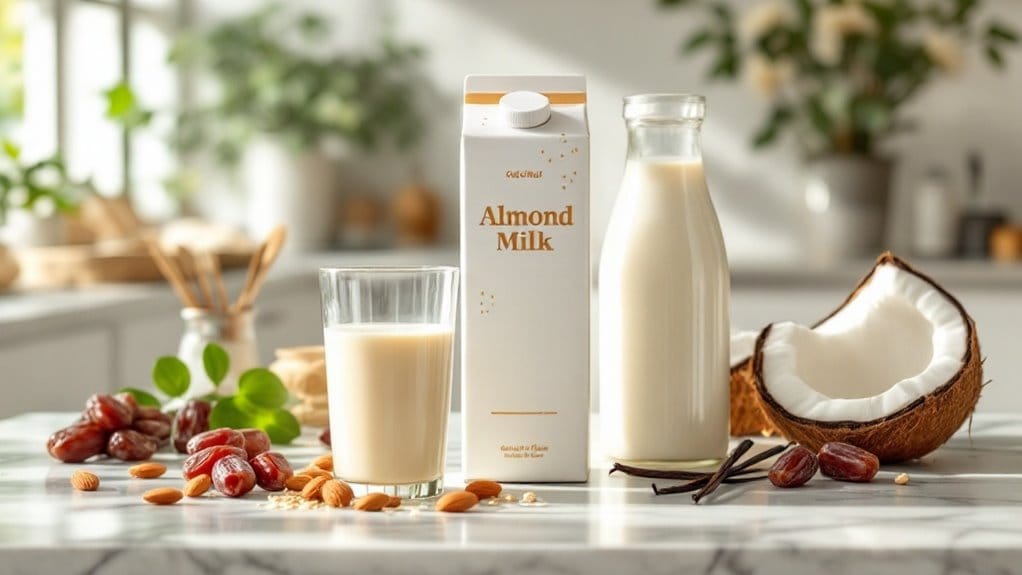
Best Dairy-Free Milk Substitutes For Every Recipe

When it comes to dairy-free milk substitutes, you’ve got a variety of fantastic options! Here’s a quick guide just for you:
- Oat Milk: Creamy, great for baking and coffee!
- Soy Milk: High in protein; perfect for pancakes and smoothies.
- Almond Milk: Light and ideal for baking cakes!
- Coconut Milk: Rich and perfect for soups and curries!
- Rice Milk: Naturally sweet and perfect for desserts.
Choose based on your recipe needs and dietary restrictions! With all these options, making swaps can be easy and delicious. Keep exploring for even more tasty tips and tricks!
Key Takeaways
- Oat Milk is versatile and creamy; ideal for baking and coffee due to its excellent frothing properties.
- Soy Milk mimics dairy well; high in protein, making it perfect for baking and smoothies, but caution for soy allergies.
- Almond Milk offers a light, nutty flavor; great for smoothies and baking, though it can curdle in acidic drinks.
- Coconut Milk provides creaminess and thickness; best for curries and desserts, but may alter flavor profiles in baked goods.
- Rice Milk is naturally sweet and hypoallergenic; excellent for baked goods but lower in protein compared to other options.
Best Overall Dairy-Free Milks
Best Overall Dairy-Free Milks
When it comes to choosing the best overall dairy-free milks, you’ve got a variety of delicious options to evaluate. With dairy-free trends on the rise, it’s exciting to explore milk alternatives that fit your lifestyle. Here are some top picks!
- Oat Milk: This one’s super creamy and has a mild, slightly nutty flavor. It froths beautifully for lattes, making your morning coffee a treat! Additionally, oat milk is often considered a sustainable crop, which makes it a great choice for environmentally-conscious consumers.
- Soy Milk: Smooth and versatile, soy milk is a classic choice. It’s a fantastic neutral substitute in baking, so you can whip up your favorite recipes without missing out!
- Almond Milk: With its light and subtle nutty flavor, almond milk shines in smoothies and baking. It adds a hint of deliciousness without overpowering other ingredients.
- Coconut Milk: If you’re after a creamy, slightly sweet taste, coconut milk is your go-to! It works well for both drinking and baking.
- Rice Milk: Naturally sweetened and neutral, rice milk is perfect for baked goods. Plus, it’s a great option if you have allergies!
These milk alternatives are not only tasty but also cater to various dietary needs. So go ahead, explore, and enjoy!
Recommended Products

THICK AND RICH: Vanilla almondmilk creamer is a rich, thick, luscious non-dairy creamer deserving of your morning coffee

You'll LOVE our Green Cardamom Pods (Hari Elachi) by Rani Brand--Here's Why:

VEGAN PROTEIN POWDER KEEPS YOU FUELED – Get 20g of organic pea protein in this clean plant based protein blend to crush cravings and power mornings without the heavy dairy bloat.
High Protein Dairy-Free Options
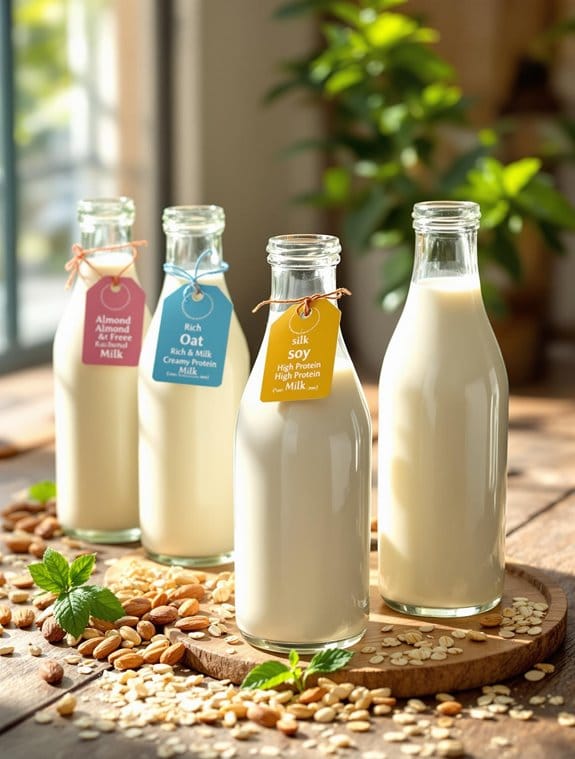
For those looking to boost their protein intake without dairy, high protein dairy-free options are a fantastic choice. You’ve got some great plant-based protein sources to evaluate, each with its own unique benefits!
- Soy Milk: With 6-8 grams of protein per serving, it’s a popular pick. It’s versatile too, perfect for many dairy-free recipes!
- Pea Milk: Offering 8 grams of protein per serving, it’s a strong competitor to soy milk. Ripple is a tasty brand to try!
- Fortified Oat Milk: Califia Farm’s Original Protein Oat Milk contains 8 grams of protein, making it a creamy choice.
- Fortified Almond Milk: Silk’s version also provides 8 grams, adding a nutty flavor to your smoothies.
- Flax Milk: Naturally has about 3 grams, but can be fortified to contain up to 8 grams!
Additionally, many of these high-protein dairy-free options can deliver comparable nutrients to cow’s milk, making them excellent substitutes. These options not only elevate your protein intake but also work well in various dairy-free recipes. So, whether you’re whipping up a smoothie or making a savory dish, there’s a high-protein option for you! Embrace the variety and enjoy your dairy-free journey!
Recommended Products

Maximize your Potential: Enhance your active lifestyle with our Whey Protein Isolate powder, or Whye Protein Powder Isolate, designed to support your strength and performance goals. Each serving delivers a substantial 30 grams dose, catering to both fitness enthusiasts looking to push their limits.
![Milk Camel Fresh Organic Frozen - Fresh Flavor with Health Benefits - Pure & Natural Grade A - Allergen Free Milk - Made In The USA [ 30 Pack ]](https://m.media-amazon.com/images/I/41yhVjzHKtL._SL500_.jpg)
🥛 HEALTHY ALTERNATIVE - Camel Milk doesn’t contain allergen that causes allergic reactions. Camel milk is a safe and healthier choice for lactose intolerant people. It becomes a natural alternative to those with food and milk allergies
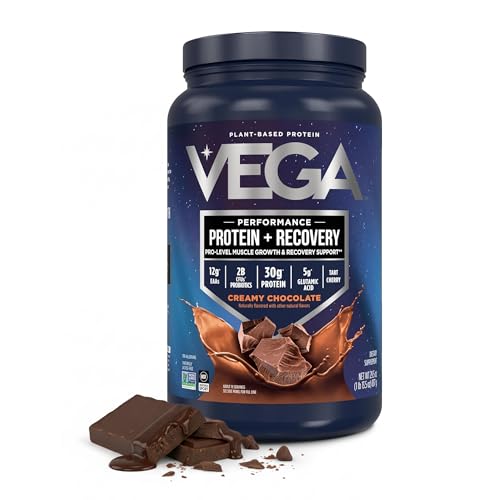
POWERFUL PLANT-BASED MUSCLE SUPPORT: Fuel your active lifestyle with 30g of premium plant-based vegan protein per serving. Perfect for men and women looking to accelerate muscle recovery without relying on whey, dairy, or soy-based isolates
Best Dairy-Free Milks for Baking
Baking with dairy-free milks opens up a world of delicious possibilities, whether you’re crafting a rich cake or a fluffy loaf of bread. You’ll find that various dairy-free milk types can elevate your baked goods while keeping them wholesome!
Here are some top picks:
- Soy Milk: Perfect for yeast breads and cakes, soy milk mimics dairy in protein and viscosity, making it a reliable choice. Soy milk is widely recognized as a top choice for vegan cakes due to its excellent texture.
- Oat Milk: Its thickness adds richness, making it great for banana bread and bread puddings!
- Almond Milk: With a neutral flavor, almond milk works wonders in moist cakes and pastries.
- Coconut Milk: This adds a rich texture but be careful—it can have a strong taste!
- Flax Milk: While less common, flax milk offers a neutral taste perfect for various baked treats.
When baking, stick to unsweetened and unflavored options to avoid altering your recipes. Most dairy-free milks can be used in a 1:1 ratio with dairy milk, but adjustments may be needed for best results. So grab your favorite dairy-free milk and plunge into your next baking adventure! Happy baking!
Recommended Products

CERTIFIED ORGANIC & TRACEABLE – Made from USDA Organic yellow peas grown in North America and processed in the USA.

𝗣𝗿𝗲𝗺𝗶𝘂𝗺 𝗪𝗵𝗼𝗹𝗲 𝗠𝗶𝗹𝗸 𝗣𝗼𝘄𝗱𝗲𝗿: Discover the richness of Z Natural Foods' Whole Milk Powder, giving you the convenience of pure, creamy whole milk in a powdered form. Sourced from Wisconsin cows, savor the real flavor of genuine dairy in every scoop.

Maximize your Potential: Enhance your active lifestyle with our Whey Protein Concentrate powder designed to support your strength and performance goals. Each serving delivers a substantial 30 grams dose, catering to both fitness enthusiasts looking to push their limits.
Dairy-Free Milks for Allergy Sufferers
Exploring dairy-free options can be particularly beneficial for individuals with allergies. Finding the right alternative dairy can make a world of difference in your daily meals. Here are some great choices that prioritize allergy safety:
- Oat Milk
- Creamy texture, neutral taste.
- Perfect for cereal, coffee, or cooking!
- Nut-free and safe from allergens. Oat milk is also known for being nutrient-rich, making it a great choice for breakfast cereals.
- Rice Milk
- Light and sweet flavor, made from whole-grain rice.
- Naturally hypoallergenic—great for sensitive tummies!
- Low in protein but comparable in calories to regular milk.
- Soy Milk
- High in protein with a smooth consistency.
- Great for overnight oats or creamy recipes.
- Make sure to check for soy allergies!
- Hemp Milk
- Made from hemp seeds, offering a sweet, nutty flavor.
- Low in calories and rich in essential fatty acids.
- Naturally hypoallergenic, ideal for those avoiding nuts!
With these options, you can enjoy your favorite recipes without worrying about allergens. Happy exploring!
Nutritional Benefits of Dairy-Free Milks
Dairy-free milks offer a variety of nutritional benefits that can enhance your diet. When you choose these alternatives, you’re not just avoiding dairy; you’re also getting a range of nutrients!
Here’s a quick look at some popular options:
- Hemp Milk: Low in calories (60) and rich in omega-3 and omega-6 fatty acids.
- Oat Milk: Contains 120 calories and is high in soluble fiber, which can help lower cholesterol.
- Soy Milk: With 105 calories and 6 grams of protein, it’s a nutritional powerhouse, often fortified with vitamins.
- Almond Milk: Super low at 40 calories (unsweetened) and packed with vitamins A and D.
Now, let’s talk about nutritional density. Soy and pea milks typically offer more extensive nutritional profiles, packing in essential nutrients your body craves. Additionally, plant-based alternatives may vary widely in their nutrient content, making it crucial to check labels for added vitamins and minerals.
But don’t forget allergy considerations! Nut and soy-based milks can trigger reactions in some folks. If you’re sensitive, pea or oat milk might be safer options.
Flavor Profiles of Dairy-Free Milks
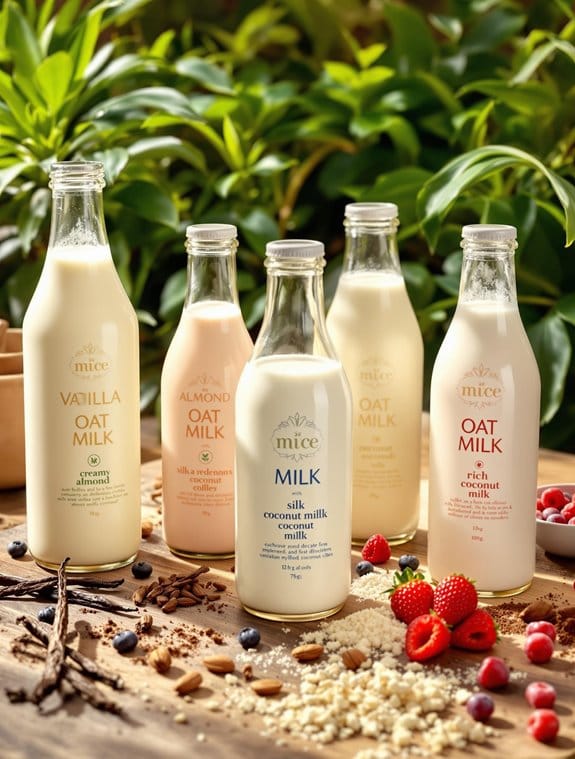
When it comes to flavor profiles, dairy-free milks each have their own unique charm! You might love the nutty notes of almond milk, which adds a clean taste to your smoothies and baked goods. Or maybe you’ll enjoy the creamy coconut experience, perfect for adding richness to your favorite recipes—just be careful, as it can be a bit overpowering! Additionally, hazelnut milk has gained popularity for its creamy texture and satisfying flavor, making it an excellent choice for drinking and dunking.
Nutty Flavors of Almond
How does almond milk elevate your beverage experience? It brings a warm, nutty dimension that can truly enhance your drinks! When you add Almond Milk to your morning coffee or smoothies, you’re not just substituting; you’re adding flavor!
Here’s what makes almond milk special:
- Nutty Flavor: It has a distinct almond taste, making it perfect for nutty recipes.
- Slight Sweetness: Almond milk is a bit sweeter than cow’s milk, which can brighten up your beverages.
- Versatility: You can use it in various recipes, from lattes to pancakes. Additionally, it is a healthier alternative that contains no preservatives.
When making coffee, keep this in mind:
- Careful Heating: Almond milk can curdle in acidic drinks or if overheated, so be gentle!
- Layering: It may leave a watery layer under foam, but that’s just part of its charm!
You can customize almond milk, too! Add flavors like vanilla or chocolate for a fun twist. With all these qualities, it’s no wonder almond milk is a favorite for so many recipes. Go ahead, give it a try—you might just love it!
Creamy Coconut Experience
Almond milk’s nutty flavor can be a delightful choice, but the creamy coconut experience offers a whole new dimension to your beverages. Imagine sipping on a rich, velvety drink that transports you to a tropical paradise! Coconut milk is versatile and works well in both sweet and savory dishes.
Here are some coconut milk benefits you might love:
- Creamy texture: Its thick consistency makes it perfect for curries, soups, and desserts.
- Low-carb option: Unsweetened versions have no carbs in an 8-ounce serving, making it diet-friendly.
- Rich in MCTs: Medium-chain triglycerides found in coconut milk have potential health perks. Additionally, coconut milk is often fortified with nutrients, providing an extra boost for your diet.
Whether you’re making a smoothie or a decadent pudding, the creamy coconut experience is hard to beat! You can enjoy it straight from the carton or incorporate it into your favorite recipes. Just remember, a little goes a long way, so use it wisely!
Next time you’re deciding on a milk alternative, consider giving coconut milk a try—it could become your new go-to! Your taste buds will thank you!
Mildness of Soy Milk
Here’s what you should know about the mildness of soy milk:
- Flavor Compounds: Major compounds like hexanal and hexanol contribute to its unique taste. These can be altered through different processing techniques!
- Beany Flavor: If you find the beany taste off-putting, choosing soy milk made from lipoxygenase-free soybeans can help. This type has a much milder flavor. Additionally, the lipoxygenase activity in soybeans can significantly affect the flavor profile of the final product.
- Cultural Differences: Asian and Western soy milks differ in consistency and taste. Traditional Chinese soy milk has a thicker, beany flavor, while Western versions tend to be lighter and less pronounced.
When using soy milk, keep in mind its ability to enhance flavors. It works well in coffee, especially with darker blends. However, it can clash with fruitier options, so choose wisely!
Best Dairy-Free Milks for Coffee
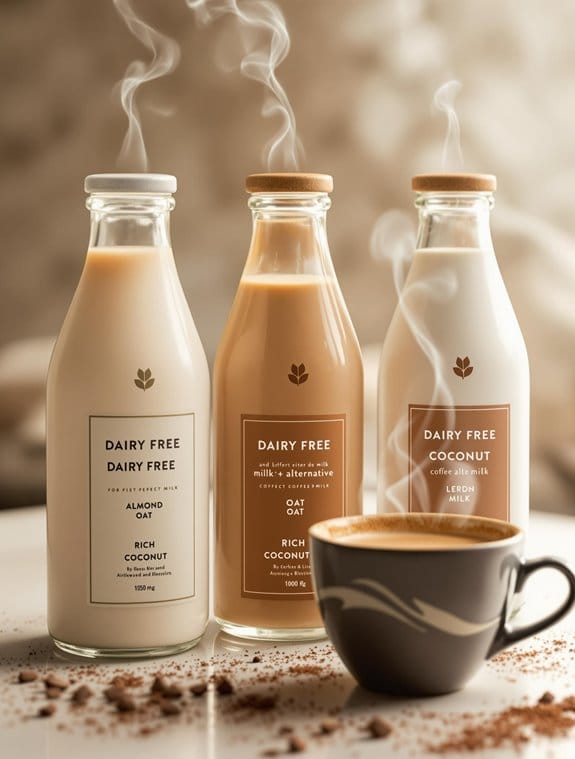
When it comes to enhancing your coffee experience, choosing the right dairy-free milk can make all the difference. If you’re looking for something creamy and delicious, oat milk is a fantastic choice. Its neutral taste and excellent frothing properties make it perfect for lattes and cappuccinos. Plus, oat milk benefits include high fiber content, which helps with coffee frothing! Many of these dairy-free options are also gluten-free and vegan, making them suitable for various dietary preferences.
Here are some top options you might enjoy:
- Oatly Barista Edition: Popular and widely available, it has a neutral flavor that blends seamlessly with coffee.
- Happy Planet Barista Oatmilk: Creamy and high-quality, it froths beautifully without added sugar.
- Ripple Barista Style Vegan Milk: This one tastes close to regular milk and foams like a champ!
When selecting your dairy-free milk, keep these tips in mind:
- Oat milk and coconut milk are less likely to curdle in hot coffee.
- Aim for options that produce silky foam, like oat or pea milk.
- If you have nut allergies, rice and oat milk are hypoallergenic choices.
Recommended Products

Create personalized drinks with a touch of a button and choose from 40 plus recipe options like Espresso, Americano, Latte, Cappuccino and more
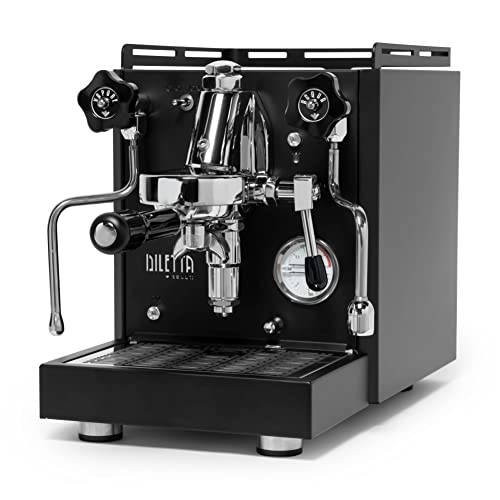
Italian Made - Each Diletta machine is handcrafted in Milan, Italy.
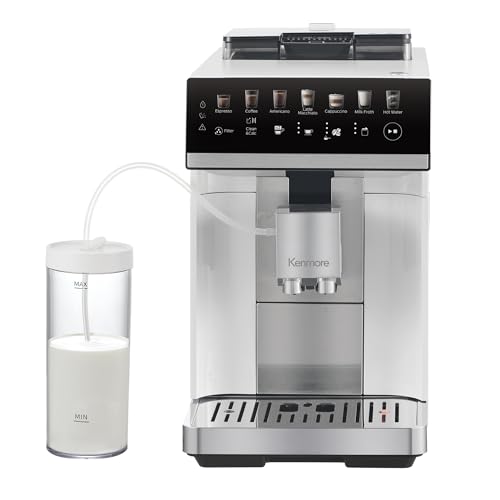
FULL-COLOR TOUCH DISPLAY & INTUITIVE CONTROLS – Enjoy a vibrant color touchscreen with easy navigation and one-touch drink options like espresso, cappuccino, latte macchiato, and americano. The intuitive interface ensures a seamless experience, letting you customize coffee strength, milk volume, and temperature for your perfect cup every time.
Dairy-Free Milks for Smoothies
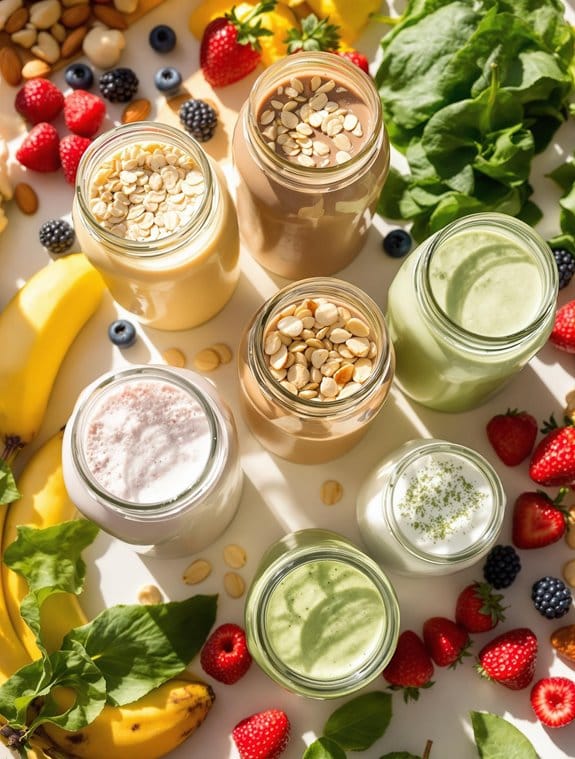
When it comes to making smoothies, choosing the right dairy-free milk can really amp up your drink! Each option brings its own unique flavor and nutritional benefits, so you can customize your smoothie just the way you like it. Let’s explore some of the best combinations and what each milk has to offer for your next delicious blend!
Best Flavor Combinations
If you’re looking to elevate your smoothie game, exploring the best flavor combinations for dairy-free milks can make all the difference. With a few tasty pairings, you can create delightful smoothie variations that are sure to impress!
Fruit-Based Smoothies:
- Cashew and Banana: Sweet and creamy, perfect for a tropical vibe!
- Almond and Mango: The smooth texture pairs beautifully with this tropical fruit.
- Oat and Pear: Invigorating and light, great for a simple pick-me-up.
- Hemp and Berry: Earthy hemp milk complements berries for a colorful treat.
- Coconut and Pineapple: Bring the tropics to your blender with this creamy combo!
Nutty and Earthy Smoothies:
- Cashew and Chocolate: Indulge in a rich, decadent smoothie!
- Almond and Coffee: For a morning boost, this combo is a winner.
- Oat and Nutmeg: Warm and comforting, perfect for chilly days.
Green and Invigorating Smoothies:
- Cashew and Spinach: Nutritious and smooth, you won’t even taste the greens!
- Coconut and Mint: An invigorating twist that’s perfect for hot days.
Experiment with these flavor pairings, and you’ll find your perfect blend!
Nutritional Benefits Overview
Exploring the best flavor combinations for dairy-free milks not only enhances your smoothie experience but also introduces a variety of nutritional benefits. When you’re blending up a delicious smoothie, it’s worth considering the nutritional comparisons between different dairy-free milks.
Here’s a quick breakdown of some options:
- Soy Milk: High in protein, similar to dairy milk, and often fortified with vitamins and calcium.
- Pea Milk: Packed with protein and calcium, plus a complete amino acid profile—perfect for post-workout smoothies!
- Oat Milk: Higher in carbs and fiber, making it a great choice if you need that extra fiber boost.
- Almond Milk: Low in calories and carbs, but might be lacking in protein unless fortified.
Each milk type offers unique health benefits. For instance, hemp milk is rich in omega-3 and omega-6 fats, while oat milk provides a fiber punch. Just remember to check for added sugars and opt for unsweetened versions.
With these options, you can create smoothies that not only taste good but also support your health goals. So go ahead, mix and match, and enjoy your nutritious creations!
Cooking With Dairy-Free Milks
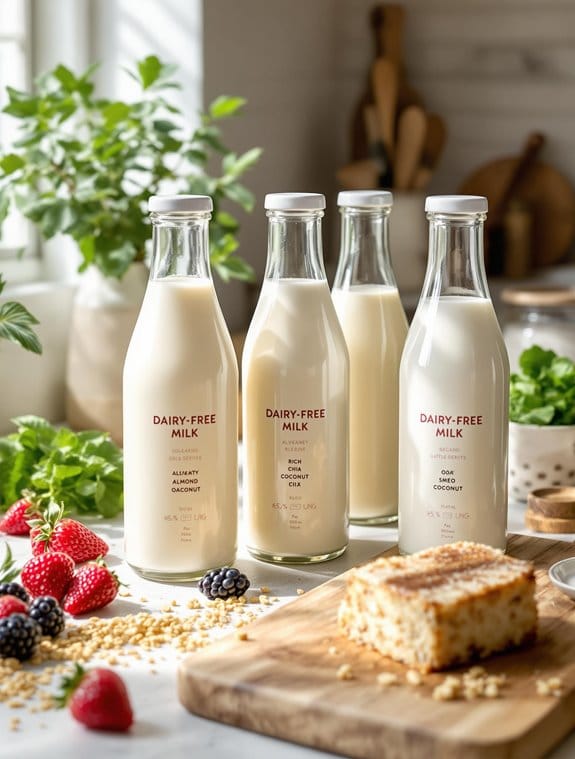
Cooking with dairy-free milks opens up a world of delicious possibilities, allowing you to create everything from creamy sauces to indulgent desserts. You’ll find that most dairy-free milks can be substituted 1-for-1 for cow’s milk, making recipe adaptations a breeze!
When it comes to cooking techniques, here are some tips to keep in mind:
- Choose Wisely: Oat milk is great for both sweet and savory dishes, while rice milk shines in desserts. Cashew and almond milks add creaminess to your baking!
- Blend It Right: Use a high-speed blender for smooth and creamy textures. You might even want to soak your nuts or seeds beforehand for extra flavor.
- Store Smartly: Homemade dairy-free milks last about five days in the fridge. So, don’t whip up a gallon unless you plan to finish it!
Keep an eye on separation; a good shake usually does the trick. And if you find your milk too thin, just add a bit more nuts or seeds! With these tips, you’ll be whipping up amazing dairy-free creations in no time!
Recommended Products
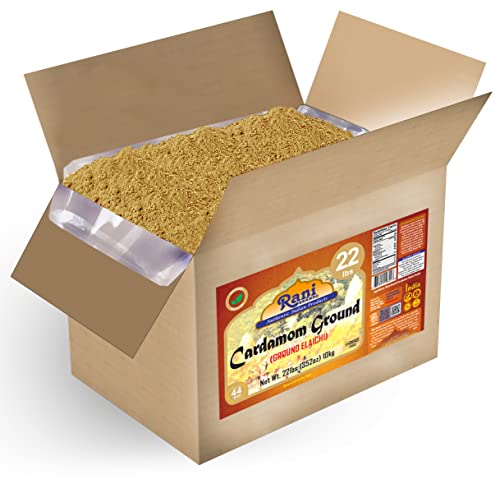
You'll LOVE our Cardamom Ground by Rani Brand--Here's Why:

Selected & Quality: We naturally dry the fresh Morel Mushrooms (Morchella Conica) harvested by hand, and then undergo three rounds of professional manual sorting and machine selection to remove impurities, ensuring the dried morel mushrooms have high cleanliness and quality. Additionally, the dried morel mushrooms boast vibrant colors and extended heads/caps.

You'll LOVE our Cardamom Decorticated Seeds (Elachi) by Rani Brand--Here's Why:
Dairy-Free Milks for Sauces and Soups
When it comes to making delicious sauces and soups, choosing the right dairy-free milk is key! You’ll want to think about creaminess and how the flavors work together. Let’s explore some great options that can elevate your dishes without the dairy!
Creaminess and Texture
For achieving the perfect creaminess and texture in sauces and soups, the choice of dairy-free milk substitutes plays an essential role. When it comes to texture variations, here’s what you need to know:
- Coconut Milk: With its high fat content, it delivers a rich, creamy texture that’s hard to beat! It’s excellent for smooth sauces and hearty soups.
- Oat Milk: This one’s a favorite! It has a neutral flavor and doesn’t curdle in heat, making it stable for all your cooking needs.
- Soy Milk: It can curdle if not handled properly, but when heated correctly, it offers decent creaminess. Just keep an eye on the temperature!
- Cashew Milk: Rich and creamy too, but it can struggle at high temperatures. If you use it, consider adding a thickener for best results.
- Almond Milk: It’s not the best choice here. It can curdle and become watery when heated, so save it for smoothies instead.
In your quest for dairy-free deliciousness, these options will help you nail that creamy texture in your favorite sauces and soups! Happy cooking!
Flavor Compatibility
Choosing the right dairy-free milk isn’t just about creaminess; flavor compatibility is just as important in sauces and soups. You want your choice to enhance the dish without overpowering it. Here are some great options:
Neutral-Tasting Dairy-Free Milks:
- Oat Milk: Its mild flavor works well in creamy sauces and soups.
- Rice Milk: Perfect for those who want a light, neutral taste.
- Coconut Milk: Choose unsweetened for savory dishes; it adds a unique creaminess!
- Pea Milk: High in protein, it’s excellent for both sauce thickness and soup richness.
- Cashew Milk: Versatile, but check the brand for flavor consistency.
Flavorful Dairy-Free Milks:
- Soy Milk: Provides a protein boost, but watch for its distinct flavor.
- Almond Milk: Adds a subtle nutty taste; great in sweet sauces!
- Coconut Milk: Ideal for tropical recipes, but keep an eye on fat content.
- Hemp Milk: Bold flavor can clash with delicate dishes.
Selecting the Right Dairy-Free Milk
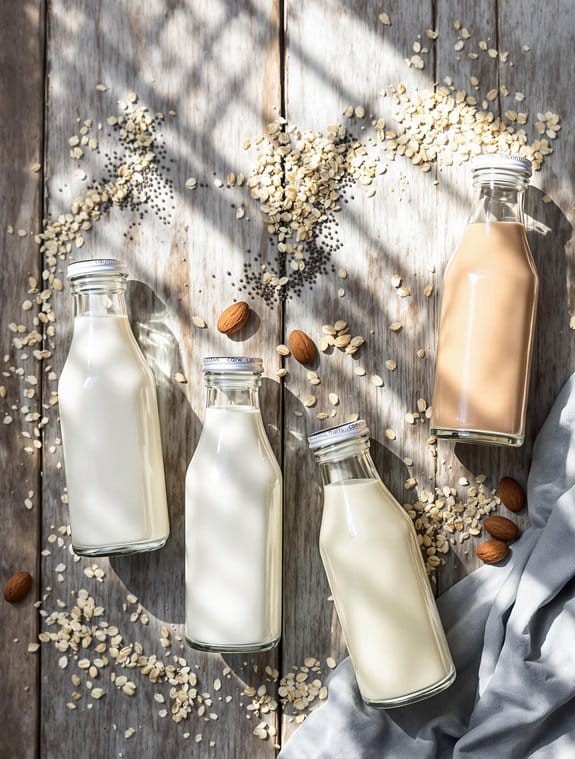
Maneuvering the world of dairy-free milks can feel overwhelming, but understanding your needs and preferences can help narrow down the options. Here’s how you can select the right dairy-free milk based on your dietary restrictions and taste!
- Soy Milk: If you’re after something that’s high in protein (7-9 grams per cup) and similar to cow’s milk, soy might be your go-to. Just watch out if you have a soy allergy!
- Almond Milk: Low in calories (30-45 per cup) and great for smoothies or desserts, almond milk adds a nice nutty flavor. It’s not for those with nut allergies, though!
- Cashew Milk: With just 25-35 calories per cup, this creamy option is excellent in coffee or as a standalone drink. However, it’s low in protein, so keep that in mind.
- Oat Milk: Perfect for those with nut or soy allergies, oat milk is creamy and works well in baking. Just be cautious if gluten is a concern!
Choosing the right dairy-free milk can elevate your meals, so explore and enjoy!
Frequently Asked Questions
Can I Make My Own Dairy-Free Milk at Home?
Imagine crafting a potion of creamy goodness! You can absolutely make your own dairy-free milk at home. Homemade options offer nutritional benefits, letting you control ingredients while enjoying a delicious, customized treat for your taste buds.
How Do Dairy-Free Milks Affect Baking Time?
Dairy-free milks can impact baking time due to their consistency and flavor differences. Some may require longer baking, while others might need adjustments in leavening agents to achieve the desired texture and taste in your recipes.
Are Dairy-Free Milks Suitable for Children?
Yes, dairy-free milks can be suitable for children if they’re fortified. They provide nutritional benefits, but taste preferences vary. Always check labels to verify the chosen alternative meets your child’s dietary needs and preferences.
How Long Do Opened Dairy-Free Milks Last?
Opened dairy-free milks typically last 3-5 days. To maximize shelf life, store them in the fridge, seal tightly, and check expiration dates. Following these storage tips helps guarantee freshness and quality for your milks.
Can I Freeze Dairy-Free Milk for Later Use?
Yes, you can freeze dairy-free milk for later use. Just be aware of texture differences upon thawing; some may separate. Nutritional comparisons show freezing generally preserves nutrients, but flavors might slightly change.