As an Amazon Associate, we earn from qualifying purchases. Some links on this site are affiliate links at no extra cost to you. Our recommendations are based on thorough research and editorial judgment.

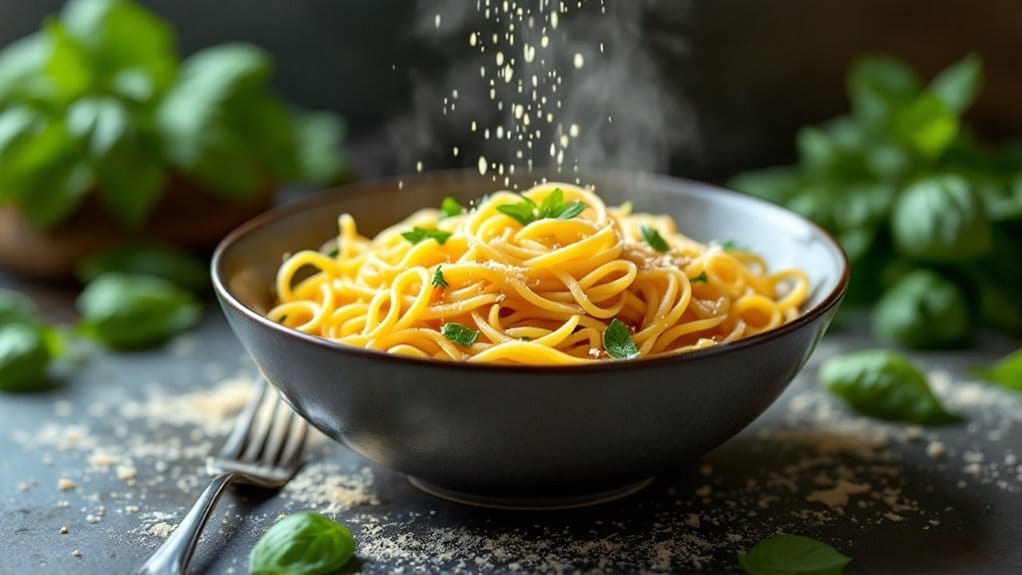
What Happens When You Perfect Al Dente Pasta?

When you perfect al dente pasta, you elevate your entire meal! Al dente, meaning “to the tooth,” gives pasta that ideal firm yet tender texture. Here’s how it helps:
- It enhances flavor, allowing sauces to cling better.
- You’ll enjoy better nutrients and a lower glycemic index, which is great for your health!
- The appealing texture makes every bite satisfying.
Remember, cook your pasta in a big pot of salted water and taste it a few minutes before it’s done! Excited to cook some? There’s so much more you can learn about your favorite pasta dishes!
Key Takeaways
- Perfectly cooked al dente pasta retains a firm texture, enhancing the overall eating experience and preventing mushiness.
- It allows sauces to cling better, improving flavor absorption and elevating the dish’s taste.
- Al dente pasta has a lower glycemic index, aiding in blood sugar regulation and promoting stable energy levels.
- Cooking al dente preserves nutrients, making meals healthier and more satisfying while promoting feelings of fullness.
- The ideal texture encourages mindful eating, leading to slower chewing and increased satisfaction during meals.
Definition of Al Dente
When it comes to cooking pasta, understanding the term *al dente* is essential. This Italian phrase translates to “to the tooth,” which perfectly describes the texture you’re aiming for. You want your pasta to be firm yet tender, creating that delightful chewiness without being hard or chalky.
So, what exactly does *al dente* mean? Here’s what you need to know:
- Texture: Ideal *al dente* pasta has a slight resistance when bitten into. It should feel tender but not mushy.
- Appearance: Look for a tiny white dot in the center just before it reaches that perfect consistency.
- Cooking Time: You’ll need to test a couple of minutes before the recommended time to avoid overcooking. Additionally, cooking time can vary significantly based on the type of pasta you’re using, with fresh pasta generally requiring much less time than dried.
Different pasta varieties can behave differently, so keep an eye on them as they cook in the boiling water. Remember, the goal is to enjoy that slight bite! By achieving *al dente*, you not only enhance the taste but also get a more nutrient-dense dish. So, pay attention and enjoy the process—your taste buds will thank you! Happy cooking!
Cooking Techniques for Al Dente
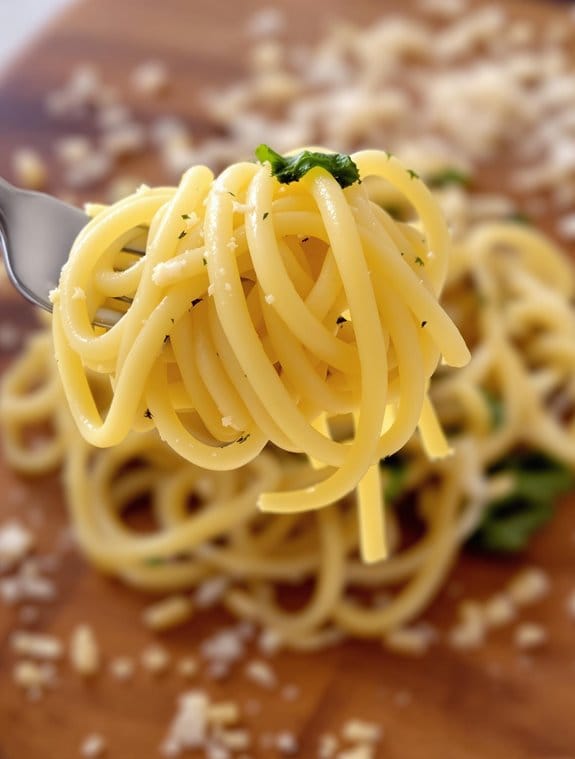
When it comes to cooking pasta al dente, timing and testing are key! You’ll want to keep an eye on your pasta as it cooks to find that perfect bite. Plus, knowing how different types of pasta react in water can make all the difference in your dish! Using a large pot with plenty of water is essential to prevent pasta from sticking as it cooks.
Timing and Testing Methods
Achieving the perfect al dente pasta hinges on precise timing and reliable testing methods. You want to start with a large pot—at least 4-6 quarts for every pound of pasta. This helps prevent sticking and allows your pasta to move freely. Always bring the water to a full boil before adding your pasta!
Here are some timing techniques to keep in mind:
- Test Early: Begin testing your pasta 2-3 minutes before the suggested cooking time.
- Bite or Cut: Check for al dente by biting or cutting a piece. It should feel firm, but not hard or chalky.
- Continuous Tasting: Keep tasting to confirm you hit that perfect spot! Remember, al dente texture enhances the overall taste and mouthfeel of your dishes.
Types of Pasta Cooking
Perfecting al dente pasta involves not just timing, but also understanding different cooking techniques that suit various types of pasta. When you’re cooking, it’s important to use a large pot with at least 4-6 quarts of water. This helps prevent sticking, which can ruin your pasta shapes.
Here are some quick tips to keep in mind:
- Salt your water: Add 1½ to 2 tablespoons of salt. It flavors the pasta!
- Don’t add oil: Oil makes it slippery, and your sauce won’t cling as well!
- Stir initially: A couple of stirs in the first 1-2 minutes can work wonders.
- Reserve some pasta water: This starchy liquid is perfect for thickening sauces.
After cooking, toss your pasta directly into your sauce for a few minutes. This lets the flavors meld beautifully! Remember, different shapes pair well with different sauces. For example, spaghetti loves a classic marinara, while penne holds onto creamy sauces like a champ. Additionally, cooking pasta to al dente perfection enhances its texture and flavor, making your dish truly unforgettable.
Nutritional Benefits of Al Dente
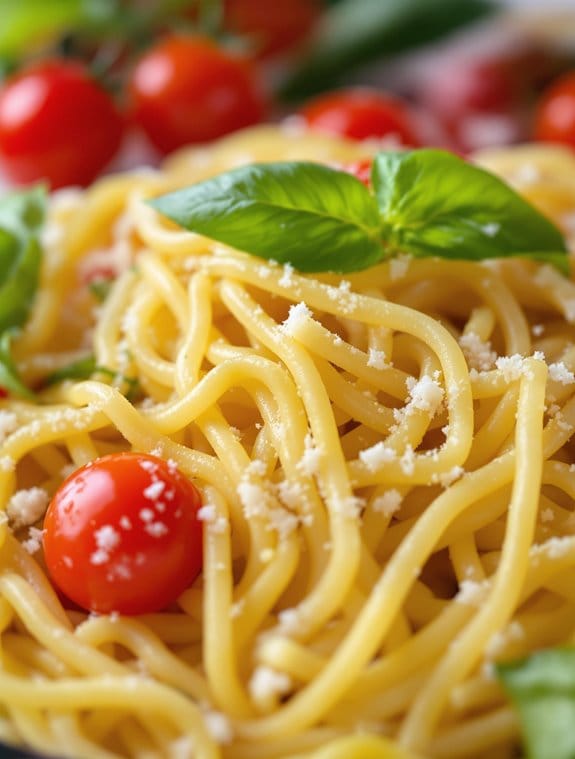
The nutritional advantages of al dente pasta make it a superior choice for health-conscious eaters. When you cook pasta al dente, it has a lower glycemic index compared to overcooked pasta. This means it won’t cause your blood sugar levels to spike suddenly, which is fantastic for your overall health!
Here’s why al dente pasta is great for you:
- Resistant Starch: It contains resistant starch, which acts like fiber, feeding your good gut bacteria. This is a win for your digestive health!
- Feeling Full: Al dente pasta helps you feel fuller longer. Its firmer texture encourages slower chewing, which can trigger hormones that signal fullness. Additionally, its lower glycemic index helps maintain stable energy levels throughout the day.
- Slower Digestion: The starch in al dente pasta releases glucose into your bloodstream gradually, preventing those pesky rapid spikes in blood sugar.
- Weight Management: Since it’s more satisfying, you might find yourself eating smaller portions, helping with weight control!
Achieving Al Dente With Various Pasta
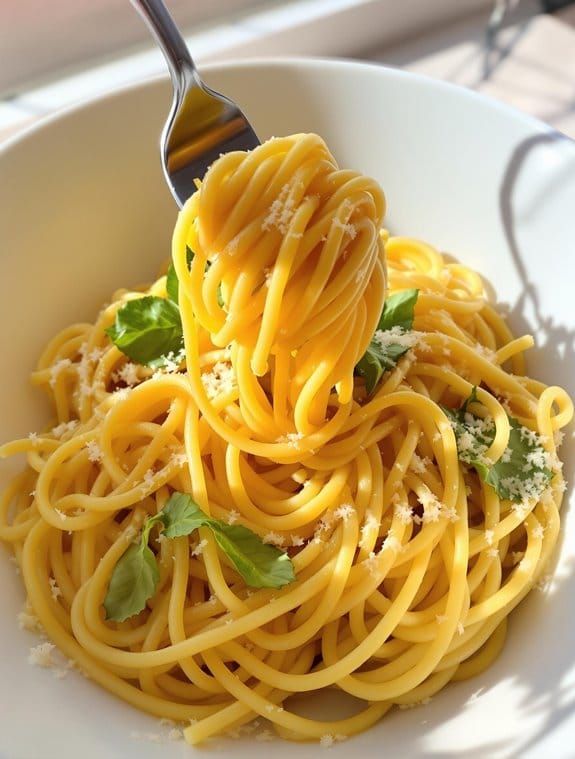
Cooking pasta to that ideal al dente texture might seem tricky, but it’s all about following a few key principles. First, use a large pot with 5-6 quarts of water per pound of pasta. Don’t forget to add about 2 tablespoons of salt—this helps flavor your pasta! Using enough water ensures that the pasta is submerged properly, promoting even cooking and preventing clumping.
Once your water’s boiling, add the pasta and lower the heat to maintain a gentle boil. Stir it initially to prevent sticking, then just let it be! Check the cooking time on the package, and test the pasta for doneness about 2-3 minutes before the suggested time.
Different pasta varieties can pair better with specific sauces, so choose wisely! For instance, spaghetti works great with marinara, while penne is perfect for creamy sauces. If you’re using filled pasta like ravioli, consider gently cooking it in oil for a softer texture.
Recommended Products

PATENTED DUAL-TIER LEDGE: Overhanging ledges on the front and back provide two levels of tracks for sliding the built-in accessories | LEDGEFIT: Sink is compatible with 40+ optional LedgeFit accessories that are interchangeable between different Ruvati workstation sinks, giving you endless kitchen customization options, now and into the future | INNOVATIVE SLOPE-BOTTOM: Bottom of the sink has a 1-inch slope towards the drain ensuring that all water and debris rushes towards the drain
Importance of Al Dente in Dishes
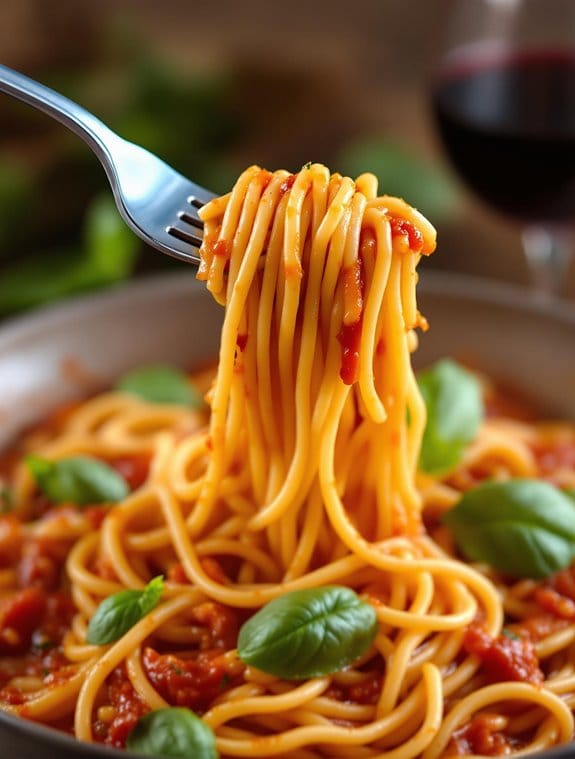
When you cook pasta Al Dente, you’re not just making it taste great; you’re enhancing its overall experience! The firmer texture helps the pasta absorb flavors better and keeps its shape, which makes every bite satisfying. Plus, it’s a fun way to elevate your dishes while enjoying a little extra crunch! Additionally, this cooking technique helps maintain stable blood sugar levels, making it a healthier choice for your meals.
Enhances Flavor Absorption
Achieving al dente pasta is essential for enhancing flavor absorption in your dishes. When you cook pasta just right, its firm texture allows sauces to cling better. This means every bite is bursting with flavor!
Here’s how al dente pasta enhances your sauce pairing and flavor profiles:
- Starch Power: The starch on al dente pasta helps thicken sauces, making them richer and more satisfying.
- Cooking Together: Finishing your pasta in the sauce for a minute or two lets it soak up all those delicious flavors!
- Skip the Rinse: Rinsing pasta washes away the starch and flavors. Keep it on for better absorption!
- Pasta Water Magic: Don’t forget to reserve some pasta water! It can help thin out sauces while enhancing their flavors. Additionally, cooking pasta to al dente ensures it retains more nutrients, making your meal not only tastier but also healthier.
Improves Texture Experience
While many factors contribute to a delightful pasta dish, the texture of al dente pasta plays an essential role in elevating your overall dining experience. When you cook pasta just right, you get that perfect firmness that not only feels great in your mouth but also enhances your culinary enjoyment!
Here’s why al dente pasta is a winner:
- Texture Contrast: The firm texture creates a delightful contrast with rich sauces. This means the sauce clings better, making every bite more satisfying.
- Engaging Experience: A chewy bite keeps you engaged while eating. You’ll find yourself enjoying each mouthful even more!
- Natural Elasticity: Al dente pasta retains its elasticity, giving you that pleasing “bite” that makes it hard to go back to softer pasta. Additionally, this lower glycemic index helps regulate blood sugar levels, making it a healthier choice.
- Mindful Eating: The firmer texture encourages slower chewing, helping you savor your meal and feel full longer. It’s like your pasta is secretly working to control portions!
Maintains Shape Integrity
The integrity of al dente pasta is essential for any dish, ensuring that each piece maintains its shape and texture throughout the cooking process. When you cook pasta to that perfect al dente state, you achieve shape preservation, which prevents it from becoming mushy or falling apart. This not only keeps your pasta looking great but also makes it much more enjoyable to eat! Additionally, the firmness testing of pasta is crucial for meeting consumer expectations, ensuring that every bite delivers a satisfying experience.
Here’s why maintaining shape integrity matters:
- Better Sauce Holding: Firm pasta grabs onto sauces, giving your dish that delicious flavor boost.
- Visual Appeal: Pasta that holds its shape looks more inviting on your plate. Who wants a sad, mushy pile of noodles?
- Consistent Texture: Al dente pasta offers a satisfying chew, enhancing your dining experience.
Tips for Perfecting Al Dente Pasta
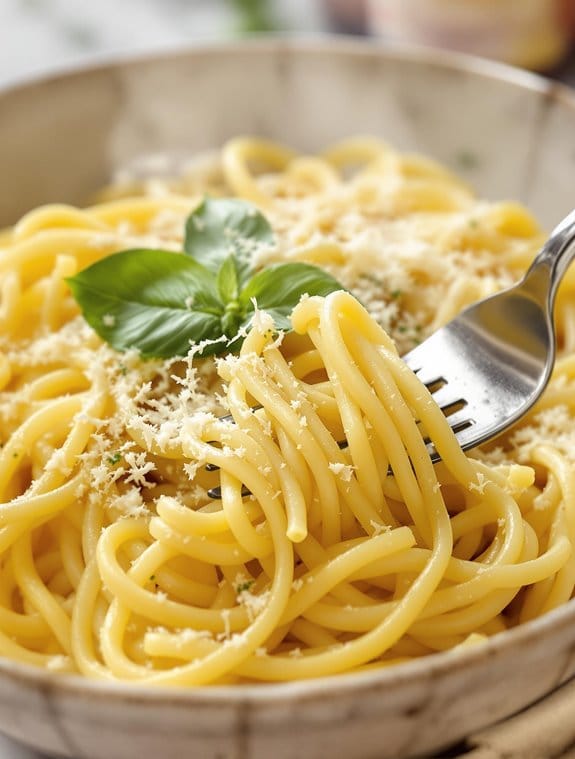
When it comes to perfecting al dente pasta, timing is everything. You can avoid common cooking mistakes that lead to mushy pasta by keeping a close eye on the clock. Here are some tips to help you master this culinary art!
- Cook Time: Start by cooking your pasta for 2-3 minutes less than the package suggests. Trust me; this is key!
- Testing: Bite into a piece to check its texture. It should be firm but not hard. If it’s got that perfect “tooth” feel, you’re golden!
- Fresh Pasta: If you’re using fresh pasta, look for a tiny white dot in the center. That means it’s not done yet. Keep cooking until it disappears.
- Carryover Cooking: Remember, your pasta will continue cooking after you drain it, especially when mixed with sauces!
- Practice: Don’t buy into pasta myths that say there’s only one way to cook it. Experiment and find what works best for you!
Recommended Products
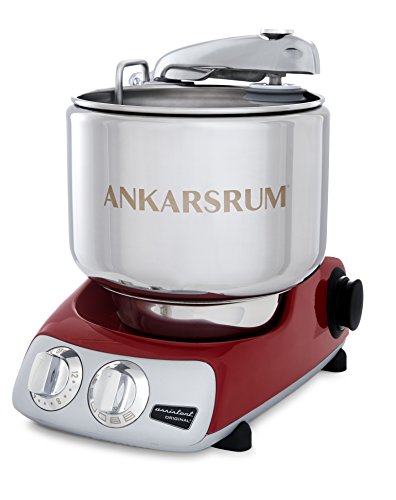
Stainless steel and carbon steel construction
Frequently Asked Questions
Can I Use Frozen Pasta for Al Dente Cooking?
Yes, you can use frozen pasta for al dente cooking. Just adjust your cooking methods and reduce the time as needed. Proper frozen storage and timing help maintain texture, so keep testing it while cooking.
How Does Altitude Affect Cooking Pasta Al Dente?
At high altitudes, pasta can take up to 25% longer to cook, so you’ll need to make cooking adjustments. Keep an eye on texture, as it’s essential for achieving that perfect al dente consistency.
What Sauces Pair Best With Al Dente Pasta?
When considering sauce compatibility, you’ll find that lightweight sauces like pesto and aglio e olio enhance al dente’s texture. Rich options like Alfredo also provide flavor enhancement, creating a delightful dining experience.
Can I Reheat Al Dente Pasta Without Losing Texture?
Imagine a delicate dance; reheating al dente pasta requires finesse. By using proper pasta reheating techniques, like steaming or sautéing, you can maintain texture and guarantee every bite stays as delightful as the first.
Does the Type of Water Affect Pasta’s Al Dente Quality?
Yes, the type of water you use affects pasta’s al dente quality. Water composition and mineral content can influence texture; for instance, hard water may make pasta firmer, while spring water enhances flavor and texture.