As an Amazon Associate, we earn from qualifying purchases. Some links on this site are affiliate links at no extra cost to you. Our recommendations are based on thorough research and editorial judgment.

Why Let Brown Bananas Go To Waste?

Don't let those brown bananas go to waste! They're actually full of incredible flavor and nutrition. A medium-sized brown banana has about 89-110 calories and is rich in potassium, fiber, and essential vitamins. Plus, they're perfect for delicious recipes! Try making banana bread, smoothies, or pancakes. You can even freeze them for later use! Here's a fun fact: roughly 50 million tons of bananas go to waste each year just because of their appearance. So, embrace those brown beauties—they're more than just a snack! Stick around, and you'll discover even more creative ways to use them!
Key Takeaways
- Brown bananas are still nutritious, packed with potassium, vitamins, and antioxidants that benefit health and combat stress.
- They can be creatively repurposed in recipes like banana bread, pancakes, and smoothies, reducing food waste effectively.
- Overripe bananas are often sweeter, making them ideal for baking and desserts, enhancing flavor without additional sugar.
- Composting banana peels enriches soil health, helping promote sustainable gardening practices and minimizing waste impact.
- Wasting bananas contributes to global food waste issues; utilizing them supports food security, especially for low-income populations.
Understanding Banana Browning
When you understand why bananas turn brown, you can make better choices about using them in your meals. Bananas produce a gas called ethylene, which plays a big role in their ripening process. When they're exposed to high levels of ethylene, enzymatic reactions occur, leading to that familiar brown color.
Here's how it works:
- When bananas get damaged or sliced, enzymes mix with oxygen.
- This interaction produces melanin, giving you those brown spots.
Storing bananas properly can help you manage this browning. To slow it down, keep them away from other fruits that release ethylene, like apples or pears. Instead, try these tips:
- Store bananas in a cool, dark place.
- Hang them to prevent bruising.
- Avoid the fridge until they're ripe, or the peel might turn black! Additionally, keeping bananas away from ethylene-producing fruits can significantly extend their shelf life.
Now, don't fret about those brown bananas! They're still perfectly edible and can be used in delicious recipes like banana bread or smoothies. So, embrace the browning process and make the most of your bananas! Your taste buds will thank you later!
Recommended Products

Professional gym-quality bag filled with 100% packed textiles for the perfect density. Consistently solid and receptive to strikes

Silicone test lead set with interchangeable clips provides flexibility when making temporary connections for electrical testing

CAMPING HAMMOCK AND TARP BUNDLE. This is a bundle of Onewind Outdoors camping Hammock with tarp and mosquito net. They're incredibly lightweight, take up very little space in your backpack and easy to set-up so you can bring this on your outdoor adventure anytime.
Nutritional Value of Brown Bananas
Brown bananas might look unappealing, but their nutritional value is surprisingly high. You might not realize that these ripe gems pack a punch when it comes to health benefits! Let's explore some impressive facts.
- Calories and Nutrients: A medium-sized brown banana (about 100 grams) contains roughly 89-110 calories, 1 gram of protein, and a whopping 22.8-28 grams of carbohydrates.
- Potassium: With about 450 milligrams of potassium per banana, they're great for your heart and help keep blood pressure in check. Additionally, their high potassium content contributes to regulating blood pressure, making them a heart-healthy choice.
- Vitamins and Minerals: You'll find essential nutrients like vitamin B6, vitamin C, magnesium, and manganese.
- Antioxidants: Overripe bananas have higher antioxidant levels, which can help your body combat stress.
- Fiber: While the fiber content decreases as they ripen, they still provide about 2.6-3 grams, supporting digestive health.
Recommended Products

Made in France since 1850. Made of all natural materials. High-fired Burgundy clay using Emile Henry HR ceramic (high resistance)

Containers control air supply of refrigerated fruits and vegetables

NATURALLY KEEP FOOD FRESH – FRESHPAPER Food-Saver Sheets for Produce are 100% BPA-free, food-safe, chemical-free, and plastic-free. Scientifically proven, patented product infused with organic botanicals that naturally extends the life of fresh produce for up to 2-4 times longer.
Creative Recipes for Overripe Bananas
Transforming overripe bananas into delicious creations is a fantastic way to reduce waste and enjoy their natural sweetness. You'll find that these banana recipes can elevate your breakfast and dessert game!
Breakfast Ideas:
- Banana Bread Pancakes: Mix 2 mashed bananas with dried fruit and nuts for sweet, moist pancakes.
- Banana Breakfast Loaf: Combine 4 mashed bananas and 1 cup of pecans for a breakfast loaf, ready in an hour! It serves about 8.
- Banana Nut Muffins: Whip up a batch of moist muffins packed with nuts, perfect for a quick snack.
Desserts and Treats:
- Banana Bread Cheesecake: Layer banana bread with creamy cheesecake and top with sliced bananas and salted caramel—yum!
- Caramel Banana Upside-Down Cake: Caramelize overripe bananas on top for a gooey delight. Keeping bananas at room temperature ensures they remain fresh longer.
Sweet Snacks:
– Banana Caramel Blondies: These chewy blondies are a hit, made with overripe bananas and white chocolate.
With these creative banana desserts and breakfast treats, you'll never let those brown bananas go to waste again! Get cooking!
Recommended Products
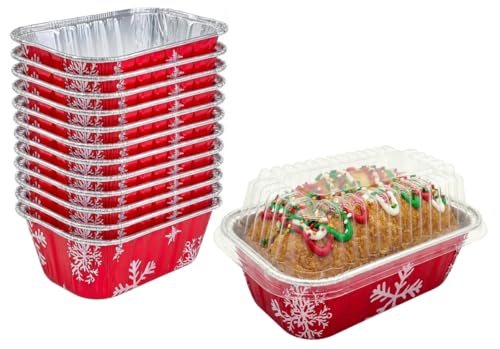
Pan Dimensions: OUTSIDE: 6-3/32" L x 3-23/32" W x 2-1/32" D -- INSIDE: 5-23/32" L x 3-1/4"

Enameled cast iron delivers superior heat distribution and retention

Pan Top Out Dimensions: 6.1" L x 3.75" W x 2.0 H - Capacity (fl.oz): 15.0. These are "mini" size loaf pans. Matching "snap-on" low dome lid is approximately 1" in height.
Freezing Techniques for Bananas
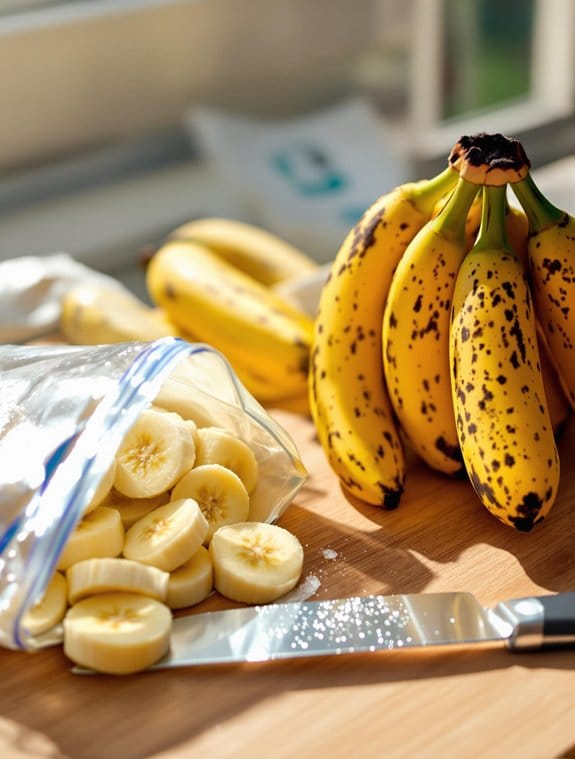
Freezing bananas is a smart way to preserve their flavor and extend their shelf life. With a few simple freezing methods, you can keep those overripe bananas from going to waste!
1. Freezing Whole Bananas: You can simply pop ripe bananas, peel and all, into the freezer. They'll freeze solid and are perfect for baking later!
2. Freezing Banana Slices: For a quick addition to smoothies, peel and slice bananas into ½-inch rounds. Lay them out on a baking sheet lined with parchment paper. Freeze for 1 to 2 hours until solid, then transfer to a freezer-safe bag. This method helps with banana preservation and prevents clumping!
3. Freezing Mashed Bananas: Got a few too many? Mash them up, divide into ¼ cup portions in a silicone tray, and freeze for 2 to 3 hours. After that, store them in a freezer-safe bag.
Recommended Products

BE READY TO GO: At home, out camping, or caught in a day to day rush when disaster strikes, READYWISE 24 Buckets are a Survival Kit that has you covered with 3,576 servings of ready to eat meals for any unexpected emergencies!
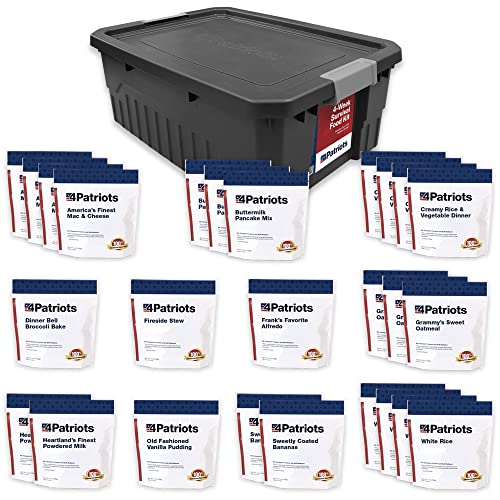
192 EMERGENCY FOOD SERVINGS: 11 delicious survival food recipes like Grammy's Sweet Oatmeal and America's Finest Mac & Cheese. This freeze-dried food has about 7 servings a day. Your Emergency Food Supply has an average of 36,480 calories (~1,302 a day - you may want or need more). Perfect prepper supplies with a 25 year shelf life.

SAVE MONEY AND SEAL FRESHNESS IN: Meat preserved with the FoodSaver System in the freezer can last up to 3 years and still taste fresh, flavorful, and freezer burn free. Prep ahead meals, leftovers, and produce stored in the fridge will stay fresh up to weeks later instead of spoiling in days
Innovative Storage Solutions
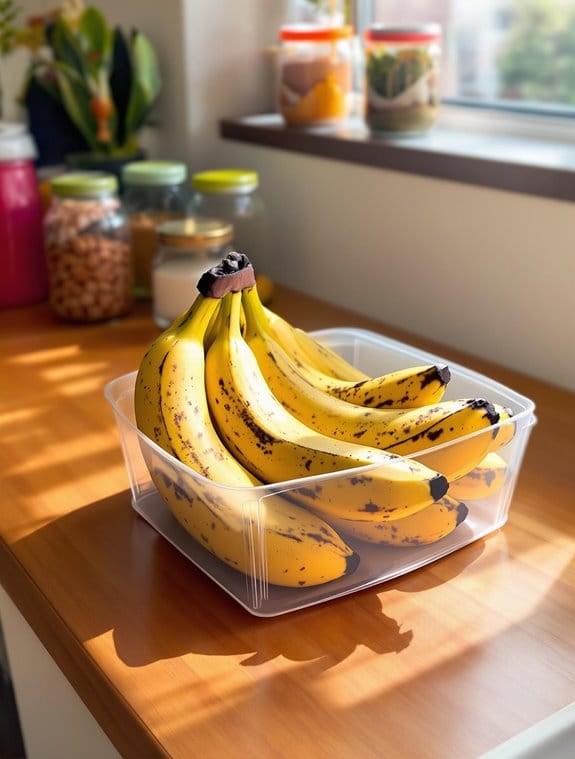
When it comes to keeping your bananas fresh and delicious, innovative storage solutions can make a significant difference. By using clever banana preservation techniques, you can extend their life and enjoy them longer!
Elevated Storage:
- Banana Bungee: This nifty tool hangs bananas individually. It allows for airflow and minimizes handling, slowing down ripening! The science-based design of the Banana Bungee minimizes bruising and browning, ensuring your bananas remain fresh.
- Hanging Fruit Hammocks: Suspend your fruits under cabinets to save space and prevent bruising.
Counter Storage:
- Two-Tier Fruit Baskets: These deep iron and wood baskets keep your bananas organized and your countertop clutter-free.
- Minimalist Fruit Bowls: Simple designs with compartments are perfect for various fruits, including bananas!
Airflow and Ethylene Gas Management:
– Banana Trees or Stands: Elevating bananas encourages airflow and reduces ethylene gas exposure, which speeds up ripening.
Stem Protection:
– Wrapping Stems in Foil: This quirky trick helps preserve your bananas by minimizing ethylene gas release.
Alternative Storage Solutions:
– StayFresh Banana Holder: This special holder can extend the life of your bananas by up to 7 days!
With these ideal storage methods, your bananas will stay fresher for longer!
Recommended Products

Designer: John True

2-piece fruit set: Includes a collapsible apple-shaped bowl and a banana holder

Practical: A easy and stylish way to store bananas, making sure it lasts, this banana holder is the perfect way to keep your fruit fresh.
Reducing Food Waste Impact
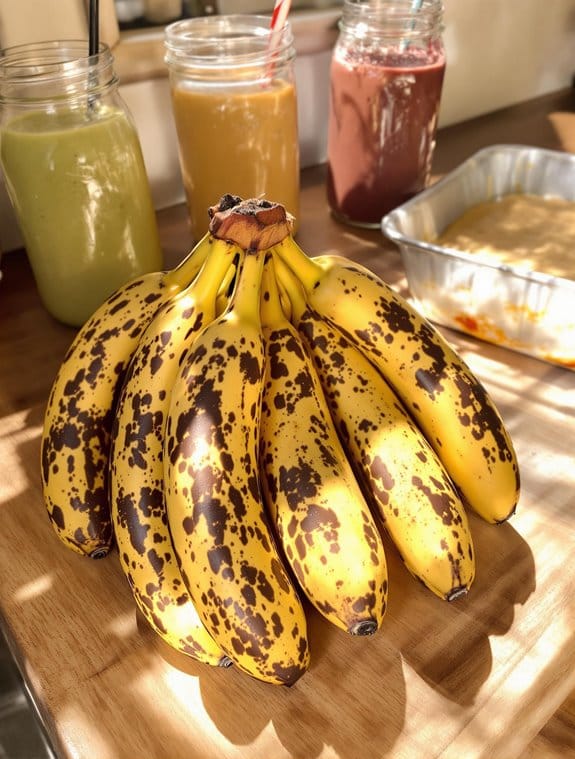
Reducing food waste is essential, especially when it comes to bananas, which often get tossed aside due to their less-than-perfect appearance. Did you know that around 50 million tons of bananas are wasted each year just because they're brown? That's a lot of delicious fruit going to waste!
To help tackle this issue, you can adopt some simple food preservation and sustainable practices. Here are a few ideas:
- Repurpose: Use those brown bananas in tasty recipes! They're perfect for banana bread, smoothies, or even ice cream! Your family will love these treats, and you'll reduce waste at the same time!
- Compost: Instead of throwing away peels, consider composting them. They're great for your garden and enrich the soil. Additionally, since browning is primarily caused by air exposure and enzymatic reactions, composting banana peels can help in creating nutrient-rich compost for your plants.
- Storage Tricks: Lowering oxygen levels can slow down browning. Try wrapping the stems with plastic wrap to keep them fresh longer.
Consumer Awareness and Education
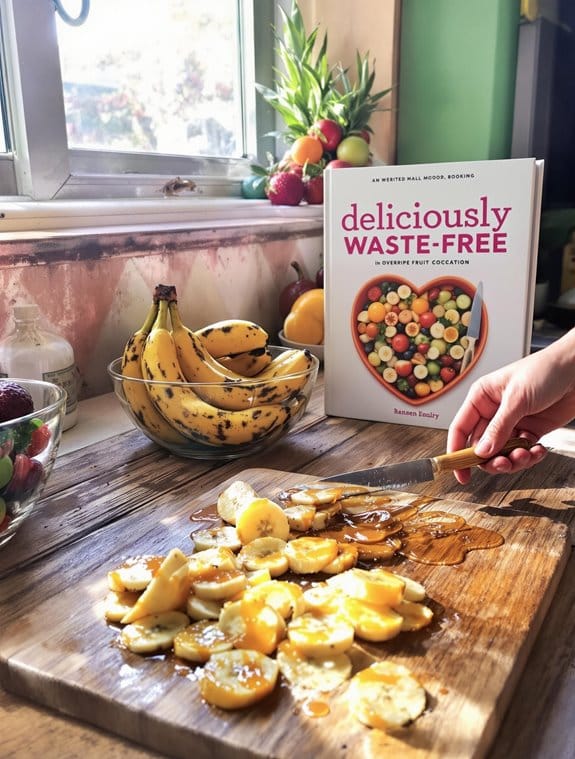
Consumer awareness and education play an essential role in tackling food waste, particularly with items like brown bananas that are often overlooked. You might not realize it, but your perceptions about food can make a world of difference!
Here are some key points to reflect on:
- Unified Campaigns: A federal initiative plans to fund $3 million annually to create consistent messaging about food waste. This means you'll see the same important information from various sources!
- Educational Content: Resources like the USDA's "Let's Talk Trash" infographic can help you understand how to reduce waste.
- School Education: Schools will soon engage students in measuring and reducing food waste. This means kids will learn the value of food early on, contributing to the reduction of cafeteria waste.
- Consumer Behavior Change: Social marketing can help shift your behavior toward valuing food more and wasting less!
- Community Engagement: Local campaigns, like those in Alameda County, are tailored to fit your community's needs, making them more relatable.
Global Importance of Bananas
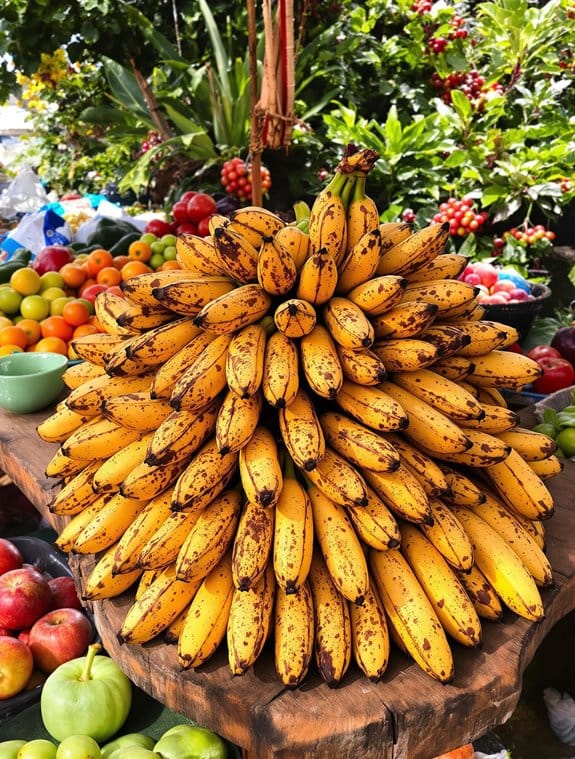
Here are some key facts about bananas' global importance:
- Production Powerhouses: More than 130 countries grow bananas, with India leading the pack, contributing nearly 28% of global production! India's contribution to banana production showcases its significance in the global market.
- Employment Opportunities: The banana industry employs hundreds of thousands of workers worldwide, with over 1 million in the export sector alone!
- Nutritional Essential: Bananas are crucial for food security, providing essential nutrients like potassium, vitamin A, and vitamin C to over 400 million people.
With a growing industry valued at $25 billion, bananas are projected to expand at a rate of 4.5% annually. That means more delicious bananas for you to enjoy! So, next time you grab a banana, remember its importance not just for your snack but for people around the world!
Future Research Directions
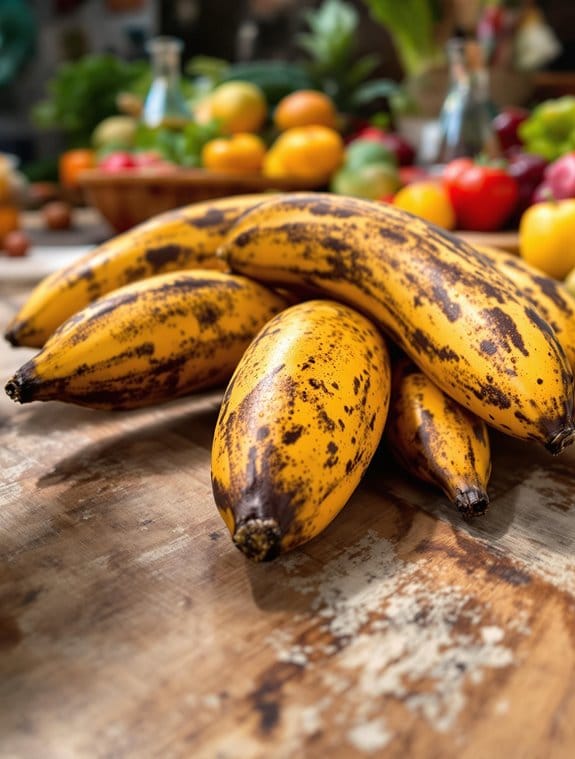
The future of banana research holds promising opportunities to address the issue of waste generated by brown bananas. You might be surprised to learn that there are effective strategies to slow down the browning process! By optimizing browning prevention techniques, like reducing oxygen levels around the peels, we can keep those bananas looking fresh longer.
Here are some exciting research directions to contemplate:
- Understanding Browning: Using nonlinear reaction-diffusion models, researchers can better understand how those pesky brown spots form. This knowledge can lead to innovative ways to stop them!
- Peel Utilization: Let's not forget about banana peels! Exploring more culinary uses, like brewing tea or even making a bacon substitute, can greatly reduce waste.
- Sustainable Practices: Investigating eco-friendly methods for banana cultivation and storage will help maintain our environment while minimizing waste. In fact, bananas contribute to an estimated 50 million tonnes of food waste annually due to browning.
- Consumer Education: Spreading the word about the usability of brown bananas and composting tips can motivate you to make a difference!
With these future research directions, we can all play a part in reducing banana waste while enjoying delicious recipes!
Frequently Asked Questions
Can Brown Bananas Still Be Eaten Raw?
Did you know that overripe bananas contain up to 20% more sugar? You can still eat them raw; their sweeter banana taste brings nutritional benefits, providing vitamins and antioxidants that support your health and well-being.
How Can I Tell if a Brown Banana Is Spoiled?
To tell if a brown banana's spoiled, check its texture and flavor profile. If it's mushy and smells unpleasant, it's likely gone bad. Brown spots alone don't mean spoilage; they might still be perfectly edible.
Are There Any Health Risks With Consuming Brown Bananas?
Did you know that brown bananas have 25% more sugar content than yellow ones? While they offer nutritional benefits like antioxidants, be cautious—check for spoilage signs to avoid any health risks before consuming.
What Is the Best Way to Ripen Green Bananas?
To ripen green bananas quickly, use banana ripening techniques like placing them in a paper bag with ethylene gas-producing fruits. This method traps gas, speeding up the ripening process in just 24 to 36 hours.
Can Brown Bananas Be Composted?
You can't judge a book by its cover—brown bananas are perfect for banana composting! They enrich your compost with nutrient benefits, like potassium and phosphorus, helping your garden thrive while reducing waste.